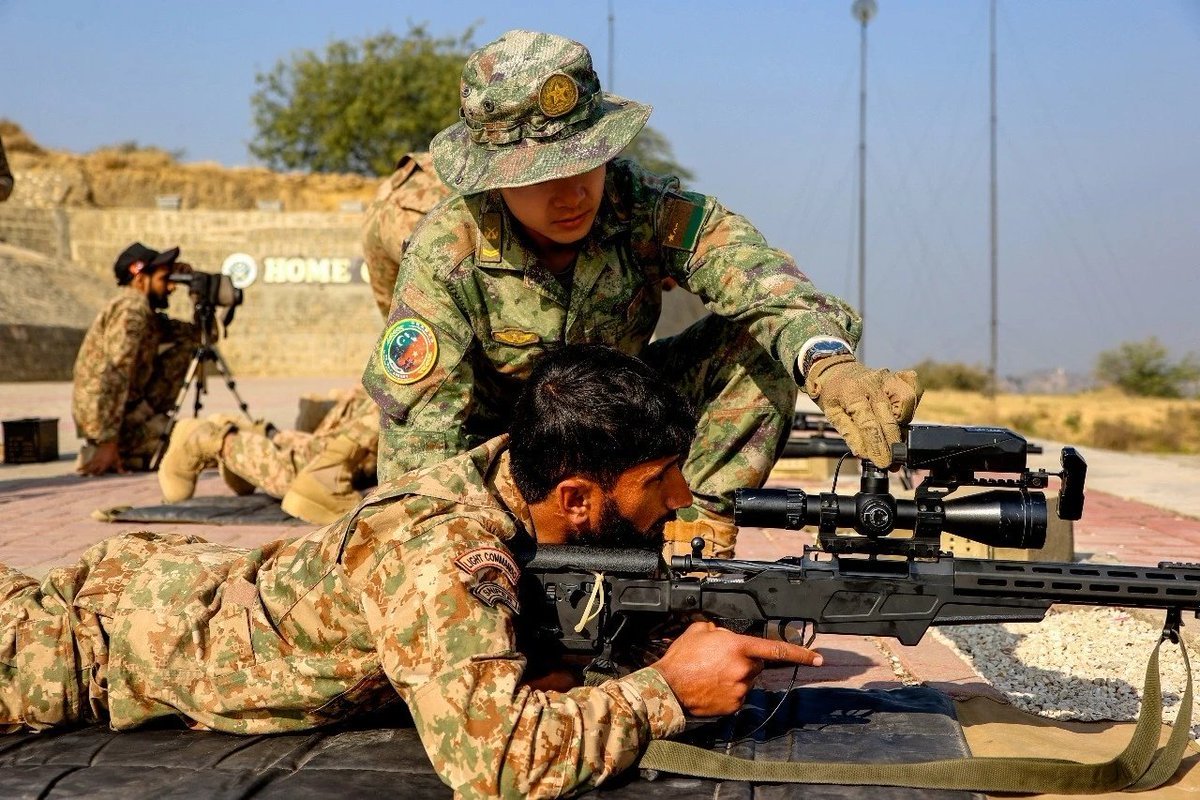
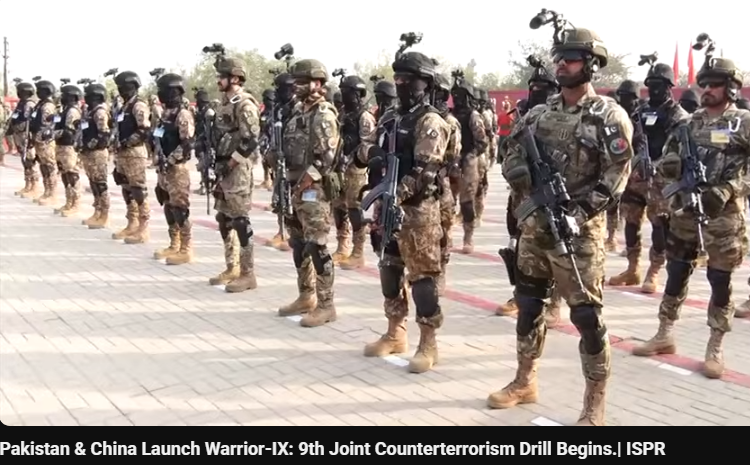
This fall, Pakistan and China conducted their Warrior-IX joint counterterrorism exercise. According to the Inter-Services Public Relations (ISPR), the two-week drills were specifically meant to improve interoperability and reinforce military-to-military interaction between the two countries. Based in the National Counter Terrorism Centre (NCTC) in Pabbi, Khyber Pakhtunkhwa, Warrior-IX was a center that dealt with common planning, coordination on the battlefield, and mutual counterterror strategies. In an actual sense, the Pakistan Army and PLA troops organized and conducted complicated clearance and strike exercises, observing and testing the methods of one another in a real-world situation. Senior officers (including the Ambassador of China and the Chief of General Staff of Pakistan) watched live demonstrations at a Distinguished Visitors Day, where they commended the professionalism, operational capability, and high morale of the troops of both sides. That drill tangibly refined the counterterror capability of Pakistan because it included the Chinese systems and doctrine in the collective CT effort – an immediate enhancement of preparedness to transnational militancy.
https://x.com/PakistanFauj/status/1999108346259919032?s=20
Interoperability, and Operational Learning
The targets of the exercise are interoperability and deep defense relationships. Through exchanging command-and-control processes, communications protocols, and tactics, the forces of Pakistan gain the experience of how to work in harmony with one of the key partners. Analysts observe that such drills allowed the two armies to align military doctrines and operational preparedness, which provided Pakistan with Chinese counterterror technology and experience. Interoperability also implies that Pakistan can seek Chinese assistance (e.g., intelligence or logistics) faster in a crisis.
https://www.instagram.com/reel/DSIS4aPiI-T/?utm_source=ig_web_copy_link&igsh=NTc4MTIwNjQ2YQ
As a strategic message, Warrior-IX is a sign of increasing security convergence based on mutual threat perception. Both Islamabad and Beijing stress that terrorists, including those who attack the China-Pakistan Economic Corridor (CPEC), are a shared threat. The drills are a response to both countries reporting similar security threats, such as the attacks on Chinese nationals and projects within Pakistan. In fact, Chinese diplomats frequently request Pakistan to secure CPEC assets against militants, and these exercises establish the system to achieve that. The exercise, therefore, sends a regional message: Pakistan and China are united to act against insurgent violence, strengthening deterrence. According to one commentator, Warrior-IX helps to ensure regional stability and security by strengthening the readiness of joint forces.
China as Pakistan’s Principal Defense Partner
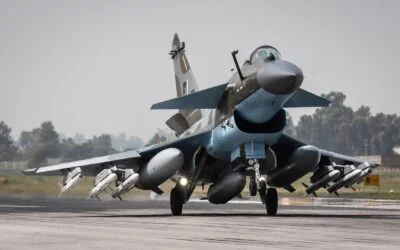
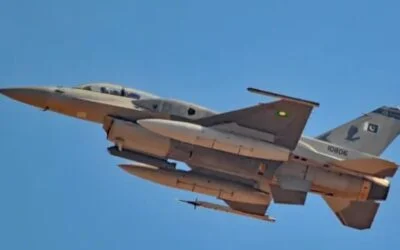
Other than terrorism, the exercise demonstrates the role of China as the main arms partner of Pakistan. The two armies are already working together on fighter jets, air-defense, and naval systems; the joint exercises have now expanded their collaboration to doctrine and tactics. The Navy and the Air Force of Pakistan also train regularly with China, yet Warrior-IX was dedicated to ground counterterrorism, an obvious gesture to the present priorities. Nonetheless, the hidden message to neighbors is clear: China supports the defense of Pakistan. The media identify China as the largest provider of military equipment to Pakistan and also a co-producer of systems such as the JF-17 jet. Through joint training, Islamabad and Beijing are capable of showing an ironclad friendship based on mutual trust and a strategic alliance. Other powers in the region should actually take note: any threat to Pakistan (by extremists or enemies) could lead to a Chinese-Pakistani integrated force that has been working on refining joint operations for weeks.
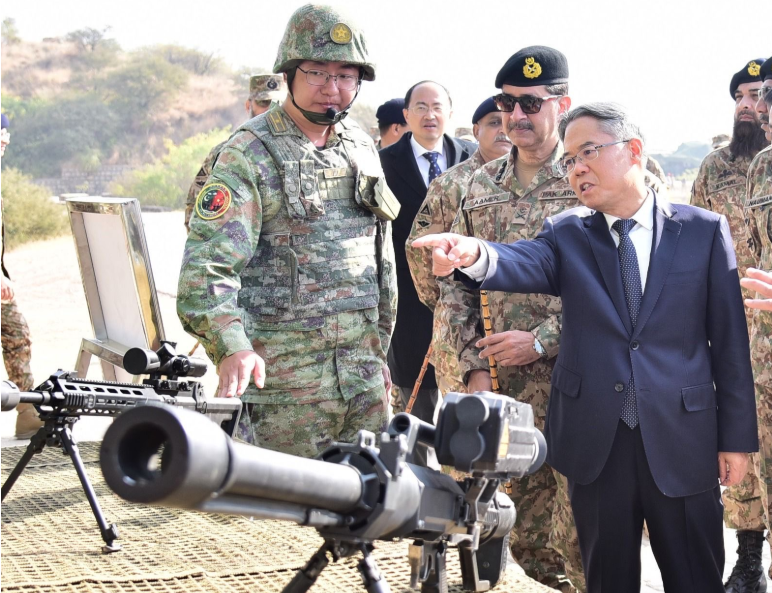
Source: Dunya News
Operational Gains, and Technological Integration
Warrior-IX also develops Pakistan’s counterterrorism capability operationally. The drills emphasized modern tactics. All hostage-rescue operations, urban raid, or border patrol operations in Warrior-IX became Pakistani hardened skills in areas such as intelligence distribution and coordination with arms. The more active military-to-military partnership also spills over into intelligence: Pakistani and Chinese agencies regularly exchange information on extremist cells. The joint drills, therefore, act as a force multiplier of the CT agencies in Pakistan, which may enhance response time to attacks.
Regional, and Geopolitical Implications
Warrior-IX has geopolitical implications at the regional level. To Islamabad, it reinstates the dedication of China to the security of Pakistan when uncertainty prevails in the region. As the situation in South Asia (such as the rising capabilities of India) escalates, Pakistan will enjoy the benefits of association with a world superpower. Although Pakistan represents the exercise as an act of pure defense, it is an implicit indication that the military stance of Islamabad is supported by China. This can discourage aggression by its enemies, since they know that the armies of Pakistan are well-trained with the use of hi-tech Chinese equipment. Additionally, the exercises will demonstrate to Chinese leaders that Pakistan is a dependable partner capable of safeguarding CPEC. Overall, Warrior-IX effectively knots the strand of strategy: it discourages militants by increasing the costs of insurgency (increased CT forces), and it comforts China that its southwestern flank is safe, which will enhance Pakistan in Sino-Pak diplomacy.
Policy-Relevant Insights, and Way Forward
Policy-Relevant Implications: Pakistan needs to continue and intensify these exercises. Another benefit of the continued Pakistan-China interoperability is sharpening crucial CT expertise and a strategic retaliation in the area. Expanding the exchanges in intelligence and technological transfer as a result of Warrior-IX is a wise move. Simultaneously, Islamabad can utilize such drills as a platform to expand relations with other partners (e.g., joint trilateral exercises). Finally, according to analysts, the exercises are an indicator of robust defense cooperation and a reminder of Pakistani ambitions of collaboration [with China] to achieve peace and stability. Such a collaborative posture, signaled via Warrior-IX, strengthens the security interests of Pakistan by creating a strong, collaborative deterrent to terrorism and maintaining the regional equilibrium.
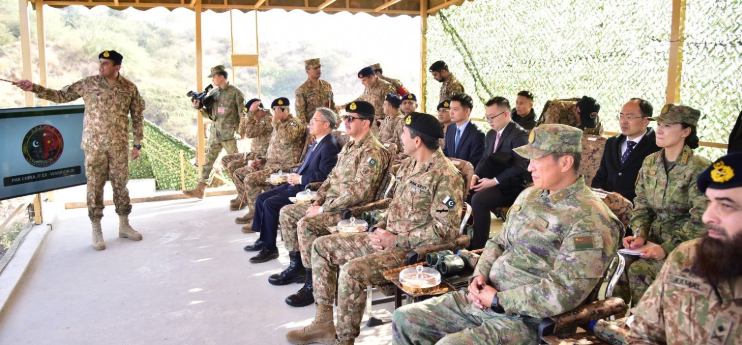
Source: Dunya News
Source: ISPR YouTube