The United States Department of Defense has formally authorised the export of advanced Raytheon AIM-120 AMRAAM (Advanced Medium-Range Air-to-Air Missile) variants — the C-8 and D-3 — under a staggering $41.6 billion global package. This landmark approval represents the most significant air-to-air missile export authorisation in U.S. history.
The global deal encompasses over thirty allied and partner nations, with the inclusion of Pakistan as a pivotal strategic ally alongside key partners such as Japan, Germany, the United Kingdom, Turkey, South Korea, and Australia. This decision solidifies the AMRAAM as the unifying standard for Western and allied air combat operations and ensures a robust supply chain extending through 2030.
The U.S. approved a $41.6 billion export deal for Raytheon AIM-120 AMRAAM (C-8/D-3) missiles to 30+ allied nations, including Pakistan.
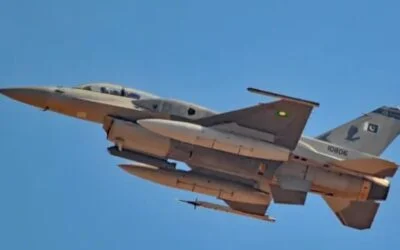
The AIM-120C-8, with radar-guided, all-weather range of over 100 km, would modernize Pakistan’s F-16 Block 52 fleet. pic.twitter.com/2lh5wRQzEu
— Clash Report (@clashreport) October 6, 2025
Strategic Reinforcement of Pakistan’s Air Deterrence
The authorization is timely, arriving amid an accelerating global arms race for beyond-visual-range (BVR) dominance. Access to the latest AMRAAM technology is critical for maintaining an edge against increasingly sophisticated long-range missiles fielded by regional adversaries.
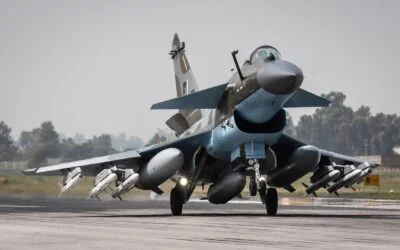
The AMRAAM export package is set to critically enhance the operational readiness and lethality of the Pakistan Air Force (PAF). These advanced BVR missiles are essential for upgrading the capability of the PAF’s frontline platforms, notably the F-16 Fighting Falcon fleet, ensuring they remain relevant and superior in contested airspace.
U.S. defense officials underscore that this strategic inclusion reinforces the U.S. commitment to strengthening its long-term relationship with the PAF, ensuring Pakistan’s deterrent capabilities are maintained through access to cutting-edge technology and guaranteed long-term logistical support. The program ensures that Pakistan retains escalation superiority—not just in numbers, but in technology, integration, and readiness to successfully execute high-intensity aerial missions.
You May Like To Read: DG ISPR: Chinese Weapons Performed “Exceptionally Well” Against India in May Conflict
Integration and Interoperability Benefits
This framework is designed to form the backbone of a multi-layered, interoperable air-defense ecosystem. For the Pakistan Air Force, participation means seamless integration into joint operations, multinational training exercises, and common logistics chains shared by key global allies.
The AMRAAM, already the world’s most widely deployed active radar-guided missile, is thus transformed from a weapon into a strategic alliance instrument. The common procurement framework streamlines production and delivery, enabling faster inventory replenishment—a critical requirement given current global conflicts and the need for high readiness levels.
Key Technical Enhancements
The authorized AIM-120 variants provide decisive technological advantages:
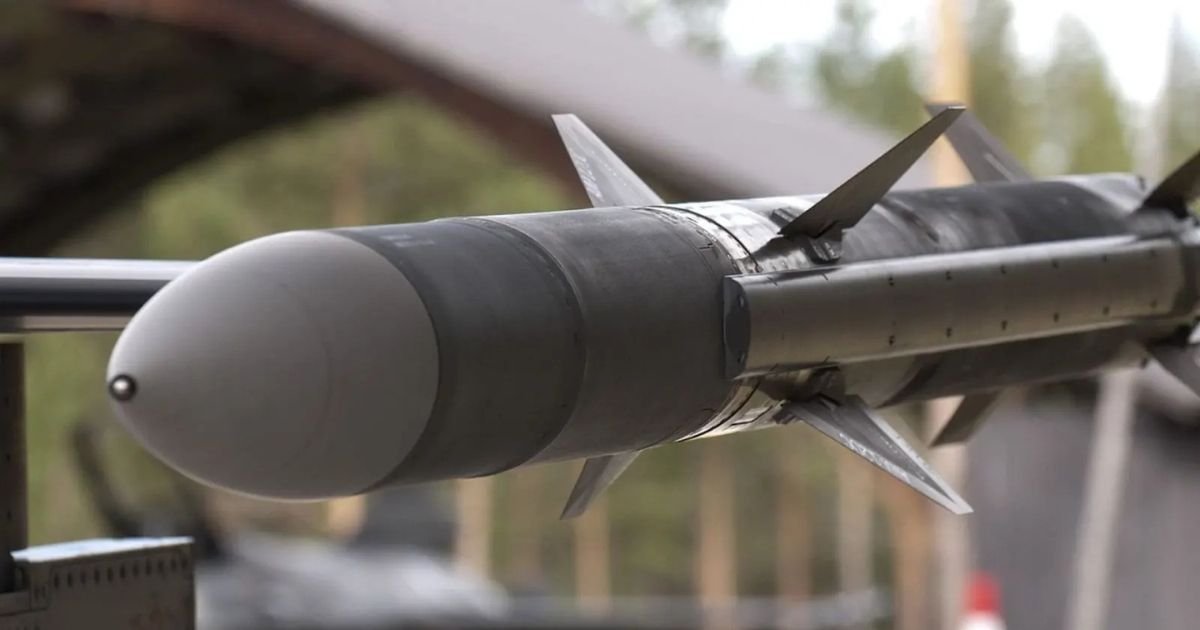
- AIM-120C-8: This export-oriented version is tailored for existing allied fleets, offering improved resistance to electronic countermeasures (ECM), refined guidance logic, and substantially longer range. It is ideally suited for maximizing the potential of Pakistan’s F-16 fleet.
- AIM-120D-3: This highly advanced variant integrates two-way datalinks, GPS-assisted navigation, and new circuit boards with enhanced processing power. Its capabilities are vital for engaging the most challenging high-speed, maneuvering targets in modern aerial combat.
Both variants are produced under the Form, Fit, Function Refresh (F3R) initiative, guaranteeing component compatibility and performance parity with the most advanced U.S. and allied inventories. This investment ensures that the Pakistan Air Force can continue to operate with a decisive edge in “fire-and-forget” BVR engagements, a doctrine that has defined Western aerial warfare since the missile’s inception.
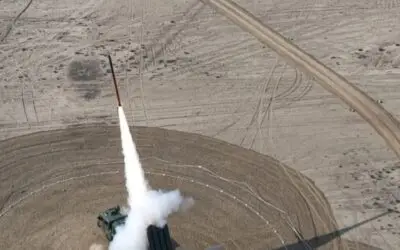
The missile’s versatility also extends to surface launch through systems like the National Advanced Surface-to-Air Missile System (NASAMS), positioning the AMRAAM as a dual-domain weapon capable of enhancing both air-to-air and ground-based air defence networks.
You May Like To Read: CPEC as a War Zone: Unravelling the BLA (Fitna-al-Hindustan) Strategic assaults against the Chinese Projects