The BLA and its Objectives
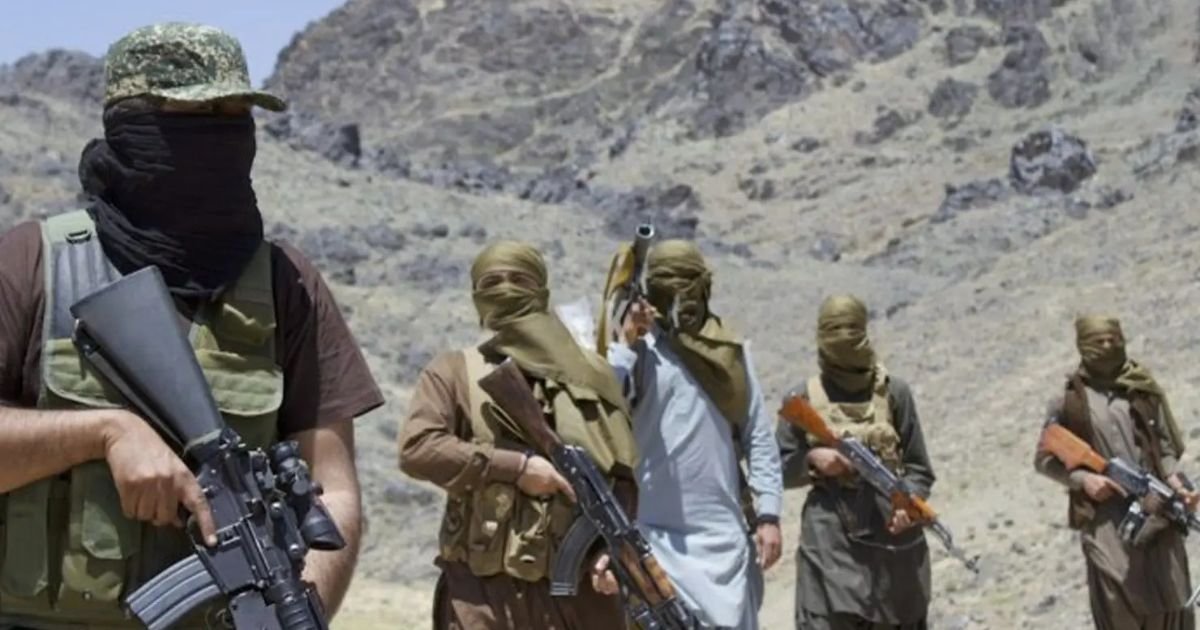
Balochistan Liberation Army (BLA) is among the most notable insurgent formations that work in Pakistan’s Balochistan province. It arose in the late 20th century as a continuation of the long history of Baloch nationalist movements, who were protesting against what they regarded as political neglect and economic exploitation by the central state. Throughout the years, the BLA has based their struggle as a self-determination struggle, which is anchored on the notion that the Baloch people are being denied a share of their natural resource base and are being denied a proper political voice.
The group considers such undertakings as the China-Pakistan Economic Corridor (CPEC) as direct threats to the interests of the Baloch. To the BLA, CPEC represents a deal where the foreigners, who happen to be the federal government and the foreign investors, enjoy the fruits of Balochistan’s abundant resources, but the locals are left destitute and marginalized. These projects, according to them, are not to empower the province but to enhance the central power and serve to speed up what they define as the demographic and cultural transformations that might undermine the Baloch identity.
Due to this reason, the BLA has established itself as a major critic of CPEC. The group believes that the corridor, and especially via Gwadar Port and the accompanying infrastructure, entrenches Pakistan in the region and prepares it to be influenced by China on a long-term basis. CPEC appears as a tool of domination to the BLA instead of a tool of local development. This assumption is the reason why the group decides to fight the project so vehemently and why Chinese workers, engineers, and companies have been the main targets of its movement.
Chinese Projects and Nationals as Strategic Targets
This is not the first time that the BLA decided to attack Chinese projects and nationals, but it is a strategy that has been well developed. By targeting Chinese engineers, labourers, and infrastructure associated with CPEC, the group will aim to attack the core of the Pakistan-China economic relations. The dual effect of targeting Chinese interests is that it distracts the current development efforts on the ground and sends a solid political statement to foreign intervention in Balochistan that they will be resisted.
A number of high-profile cases are examples of this strategy. In 2018, a suicide bombing against a bus that transported Chinese engineers in Dalbandin shook the security establishment. Later, the next year, the BLA said that it carried out an attack on the Chinese consulate in Karachi with more symbolic effect than physical destruction. On the same note, numerous attacks have been launched in Gwadar hotels and construction sites, underlining the fact that the group is determined to strike any funded project related to CPEC. These activities show that Chinese nationals are not just considered as foreign workers, but in a way, they are also a representation of perceived external domination by the BLA.
With these kinds of targets, the BLA is seen well above Balochistan. Every Chinese interest attack attracts international media focus, which increases the voices of the group in the international arena. This is important to an insurgency that would otherwise run the risk of being a local conflict with little attention. It is not only the targeting of Chinese projects, however, that is aimed at undermining the economic intentions of Pakistan, but also a promotion of the BLA cause to the global agenda.
The Symbolism of CPEC in the Campaign of BLA
CPEC is not merely a bundle of highways, ports, and energy projects to the BLA, but a representation of all that they fight against. The corridor symbolizes the control of the central government over Balochistan, its resources being taken by foreigners, and the further involvement of foreign forces in the formation of the destiny of the region. The group views every new construction site or Chinese-backed project as evidence that Baluchistan is being exploited by others without the locals being featured in the developments. The perception makes CPEC a political and ideological battlefield, which is far beyond its practical economic purposes.
The BLA aims to make its opposition sound like a fight against secession and integrity by targeting CPEC-related projects. Such activities enable the group to project itself as a protector of the Baloch rights, not only against the oppression of the state but also against the exploitation of the foreigners. The symbolic importance of striking such high-profile targets is great: it is much more important when a power plant is damaged or a convoy of Chinese engineers is ambushed than single battles in the far-off provinces. By doing this, the BLA is strengthening its message that Balochistan is besieged and that its people need to retaliate.
Simultaneously, the symbolism can be said to be on an international level. CPEC is a Pakistani project, but also a key project in the Belt and Road Initiative of China, which is an international initiative that most countries are observing. Any activity in Balochistan is reflected internationally, in the news and policy departments, making sure that the BLA plight, however violent, is not overlooked. By so doing, CPEC is now not merely an economic corridor, but a platform on which the BLA proves its existence and enhances its message of resistance.
Effects of the Strategy of the BLA.
The counterattack of CPEC by the BLA has had significant effects that go far beyond the war front. To Pakistan, such attacks have made the seemingly prosperous image a thorn in the flesh. CPEC is no longer linked to the expansion of the region, but to roadblocks, military activity, and violent threats. Hundreds of millions of dollars in development require extensive security, which, together with the military strength of Baluchistan, is straining the Pakistani security system and causing further militarization of the region. This has further led to increased mistrust between the state and the local communities, who are usually forced to be caught in the crossfire of an armed conflict that does not yield much value to their lives.
In the case of China, the expenses are also high. The frequent assaults on its citizens have made the security of its people, as well as the sustainability of its investments, a cause of concern in Beijing. Although Pakistan has given an assurance of offering maximum security, the fact that the country faces insurgent threats has made China doubt its long-term plans. Both attacks not only slow down projects, but also target the weakness of the Belt and Road Chinese interests, as it clashes with local politics. This has made CPEC not only a strategic asset but also a possible liability in the wider regional vision of China.
At a larger level, the BLA activities demonstrate the way in which infrastructure may be turned into a battlefield in politics. The group has succeeded in revealing the fragility of the balance between development and dissent, foreign investment and local resentment by targeting CPEC. Regardless of the final objectives of these attacks in regards to whether they fulfill the ultimate aims of the BLA or not, it has been ensured that the discussion on the future of Balochistan and its integration in the economic space of Pakistan can no longer be disregarded. The corridor is not, in this sense, a road or even a port; it is more a fought space in which the competing visions of sovereignty, development, and identity come into conflict. Its plan has made CPEC a promise and a threat to the BLA, and its future is highly uncertain.
You May Like To Read: