A Sharp Rise in Defense Spending
Pakistan is sharply increasing its defense spending. The Federal Budget 2025-26 allocates approximately 2.55 trillion rupees to Defense Services (Military HQs), compared to 2.122 trillion rupees in the previous year. This represents an approximate 20 percent rise in defense expenditure. Such rapid growth indicates Pakistan’s focus on military modernization. As official budget reports and speeches highlight, upgrading missile forces and command systems is among the top priorities. The government hopes that increased military spending, especially on strategic weapons, will enhance Pakistan’s security in a volatile region.
https://x.com/OSPSF/status/1932795969009041729?s=20
Key figures from the budget illustrate this surge:
- 2024-25 (Revised): Defense Services HQs, Rs 2.122 trillion.
- 2025-26 (Budget): Defense Services HQs, Rs 2.550 trillion.
- Year-on-year growth: +20% (or about Rs 428 billion more).
These figures derive directly from official budget documents from the Finance Division. The rise in the defense capital budget shows that the government is boosting procurement and development activities. The Medium-Term Budget and Budget-in-Brief reveal significant increases in defense spending, including funding for major projects within the Defense Division and related sectors. Overall, official documents confirm one thing: Pakistan is investing considerably more rupees into its military.
Pakistan Increases Defence Budget by 20% Following Tensions with India
Military allocation rises sharply even as overall national spending is reduced
Pakistan has significantly increased its defence budget for the fiscal year 2025–2026, following heightened military tensions… pic.twitter.com/E83sXKPAYN
— Gulf Times (@GulfTimes_QATAR) June 11, 2025
Why is Pakistan making such an investment at this time?
The reason is explained by the NSC (National Security Council) and the country’s leaders. Pakistan is in a difficult security setup, and leaders claim that it needs advanced technology and missiles to ensure deterrence. Although the official sources are certainly justified in their choice of words, the meaning is obvious, and it involves the fact that modern dangers require modern weapons. The NSC press releases emphasize the need to protect sovereignty and counter aggression. In May 2025, the NSC condemned enemy air and missile attacks on Pakistan and authorized the Armed Forces to respond with equal force to self-defense. This threat-based context provides the government with strong reasons to build up and modernize its military.
Missile Modernization Takes Center Stage
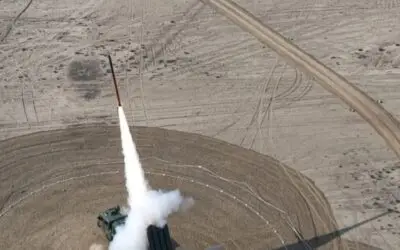
One of the most important aspects of modernization in Pakistan is the missile programs. Several projects are in progress by the armed forces. This has been reiterated in parliamentary briefings and statements made by the Defense Minister and ISPR, which says that Pakistan must be equipped to deploy a credible missile deterrent against any enemy. Examples are the Shaheen-II medium-range ballistic missile and Nasr short-range missile, which are regularly test-launched by the military. ISPR reports such tests, and they are reported by the Pakistan media, representing an official narrative of strategic development. This is justified by the budget figures: increased allocations are made to defense R&D and production units. There is funding available to assist the Pakistani engineers in refining rocket technology and to supply new missile batteries to the Army and Strategic Forces.
Beyond Missiles: Comprehensive Modernization
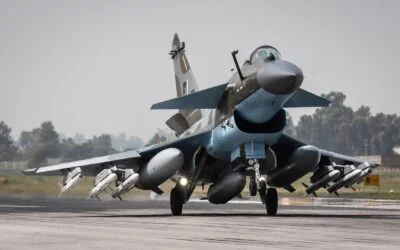
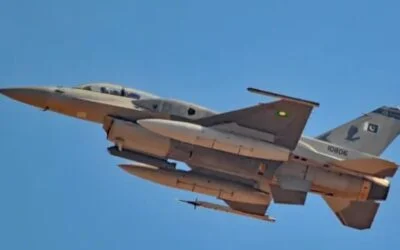
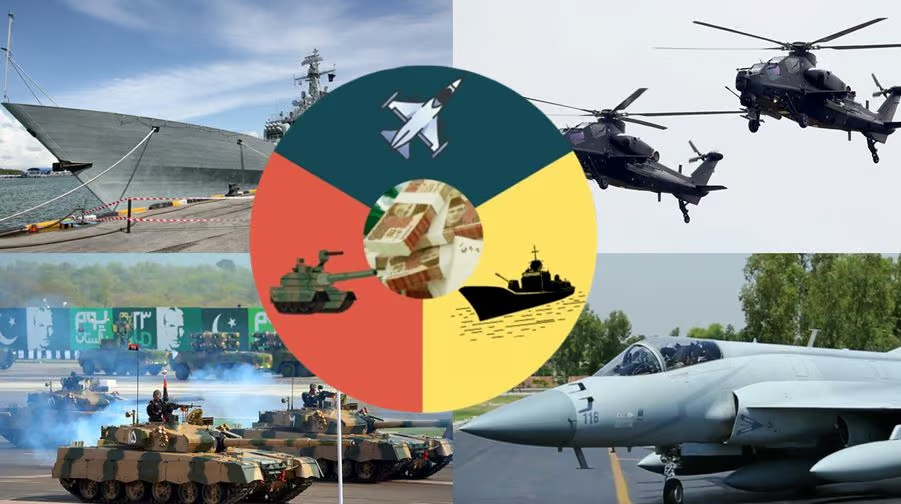
The budget finances other sectors of military modernization besides the missiles. The Finance documents reveal that more funds are provided to military pensions and support services; however, the investment in air and naval systems is continuing. The procurement of jets, ships, drones, and electronics has been absorbing greater budgets in all three services: The Army, Air Force, and Navy. Indicatively, Pakistan is in the process of modernizing its F-16 fighters and the production of indigenously manufactured JF-17 Thunder jets, according to official sources. There are also cruise missiles (such as the Babur series) and smart bombs, which are also included in the new plan, but the exact numbers are usually classified. The general argument here is that all the areas of the defense budget are increasing, particularly the portion that is allocated to new capabilities.
According to the leaders of Pakistan, this expenditure is required to achieve peace with honor. The NSC statements emphasize the fact that Pakistan is still dedicated to peace, with dignity and honor, and again renews the fact that it will not permit any form of violation of its sovereignty. This is the official justification of modernization, which is patriotic. Practically, this translates to the fact that the state is ready to increase budgets (although other ministries are to be cut down) to make sure that the army can prevent aggression. This is an added burden to the Pakistani finances, according to economists, yet on the side of the government, national security comes first. The 2025-26 budget, therefore, indicates a definite change in the priorities: Pakistan can reduce the rate of increasing social spending or subsidies, but it does not hesitate to increase defense.
Conclusion
The recent budget of Pakistan reveals a significant increase in military expenditure. This increase is the basis of a significant effort to modernize and increase missile forces, develop new weapon systems, and enhance strategic command. Authorities publicly make the boost to actual security threats. According to one NSC statement, the country highly values and respects the efforts of the Armed Forces defending the nation with bravery and courage. Having approximately 20 percent larger budget, the military of Pakistan is speeding up modernization of missiles and related systems – a change that was not only necessitated by formal policy decisions, but has also been defended in public utterances as necessary to defend the nation.