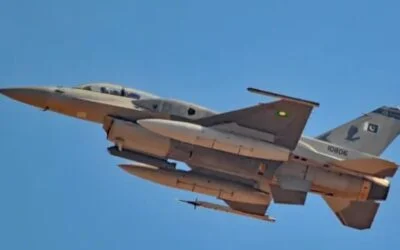
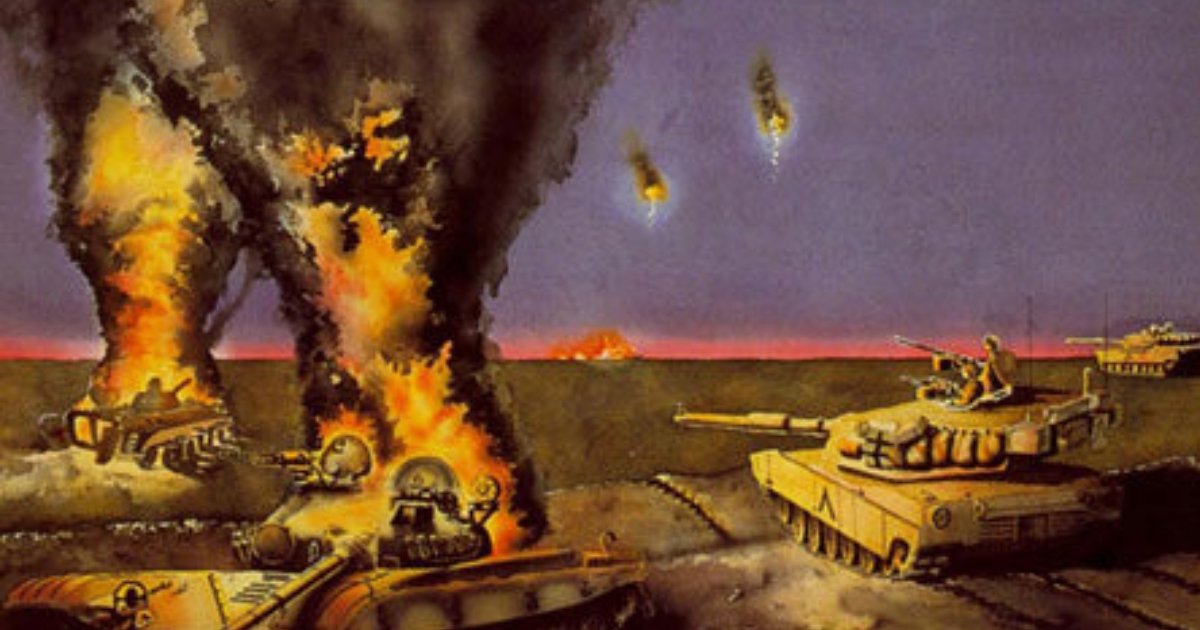
Correspondingly, the beginning of Operation Desert Storm took place on the seventeenth of January, 1991, and it was an international military operation with the main objective of liberating Kuwait from the Iraqi invasion. Even as the pictures highlighting the might of Western airpower made the headlines, the role played by Pakistan was crucial, even as it remained inconspicuous, as it contributed to the protection of the Kingdom of Saudi Arabia.
The Strategic Decision: A Time-Tested Alliance
With the Iraqi invasion of Kuwait in August 1990, the presence of Iraq became an immediate threat to Saudi Arabia because of the latter’s importance as the protector of the Islamic holy cities of Mecca and Medina. For the Pakistani nation with an intense tradition of bonding with Saudi Arabia, the move to join the coalition was both moral and strategic.
Pakistan had been involved in various military collaborations with the kingdom for long periods, such as training missions. This existing relationship facilitated the integration of their military into the defensive system. This occurred at a time when the country was facing various political issues.
The 7th Armoured Brigade: Deterrence and Defence

Source: wikipedia
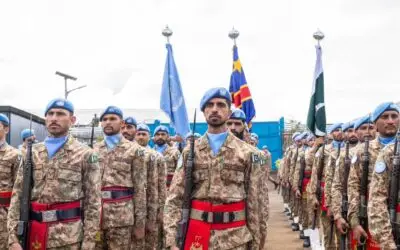
Pakistan’s primary contribution on the ground was the deployment of the 7th Armoured Brigade along with supporting elements like the 153 Light Air Defence (SP) Regiment deployed in Tabuk, who earned the title of ‘Fakhr-e-Tabuq’, which totalled over 11,000 troops. This force was strategically positioned to defend the most vulnerable southern flanks of Saudi Arabia, particularly the critical logistical routes and oil fields that were vital to the coalition’s efforts.
While coalition forces, led by the U.S., focused on offensive operations aimed at dislodging Iraqi forces from Kuwait, the Pakistani contingent served as a robust defensive shield. Their mission was clear: to deter any potential Iraqi thrusts into Saudi territory and to be alert and ready for action in case of direct engagement if deterrence failed. The 7th Armoured Brigade was equipped with tanks and infantry fighting vehicles, along with substantial artillery support, which made it a formidable force. Its presence freed other coalition units to concentrate on offensive operations, making Pakistan’s role integral to the operation’s overall success.
The Pakistani troops demonstrated exceptional professionalism, discipline, and readiness throughout their deployment. Their familiarity with desert warfare conditions, honed through decades of training and experience in Cholistan and Thar, made them particularly suited for the operational environment.
Earning Prestige in the Muslim World
Pakistan’s decisive and effective contribution to the defense of Saudi Arabia significantly enhanced its standing within the Muslim world. By actively participating in the protection of Saudi Arabia and its holy sites, Pakistan was able to reassert itself as a responsible and reliable Muslim nation that was committed to collective security.
This engagement helped to:
- Reinforce Bilateral Ties: It solidified the already strong relationship between Pakistan and Saudi Arabia and deepened their trust and cooperation across various sectors.
- Boost Military Reputation: The professionalism and readiness of the Pakistani contingent earned commendation from coalition partners and the capabilities of the Pakistan Army on an international stage.
- Project a Unified Front: Pakistan’s presence, alongside troops from other Muslim-majority nations like Egypt, Syria, and Bangladesh, helped counter the narrative that the conflict was solely a Western intervention. It demonstrated a collective Muslim response to aggression within the Muslim world.
Domestic Public Opinion vs. Military Policy
Domestically, the decision to deploy troops to the Gulf was met with mixed reactions. While there was widespread support for the defense of Saudi Arabia due to religious and historical ties, some segments of the public expressed concerns about entanglement in a foreign conflict and potential repercussions. However, the government and military effectively articulated the strategic rationale, emphasizing the deployment’s defensive nature and the protection of holy sites. The lack of direct combat involvement and the successful deterrence mission ultimately vindicated the policy.
A Lasting Legacy
The involvement of the Pakistan Army in Operation Desert Storm remains a less-publicized but highly successful chapter in its history. It showcased Pakistan’s commitment to international security, its strategic alliances, and its unwavering resolve to defend key interests within the Muslim world. The effective deployment of the 7th Armoured Brigade not only protected Saudi Arabia but also cemented Pakistan’s prestige as a reliable and capable military force, a legacy that continues to influence its foreign policy and defense posture in the region.