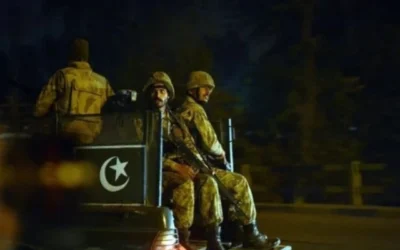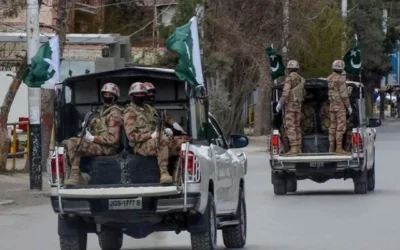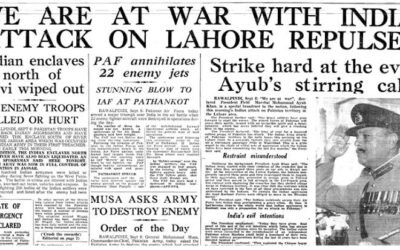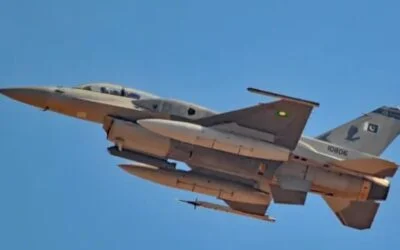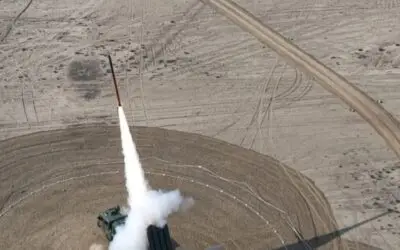
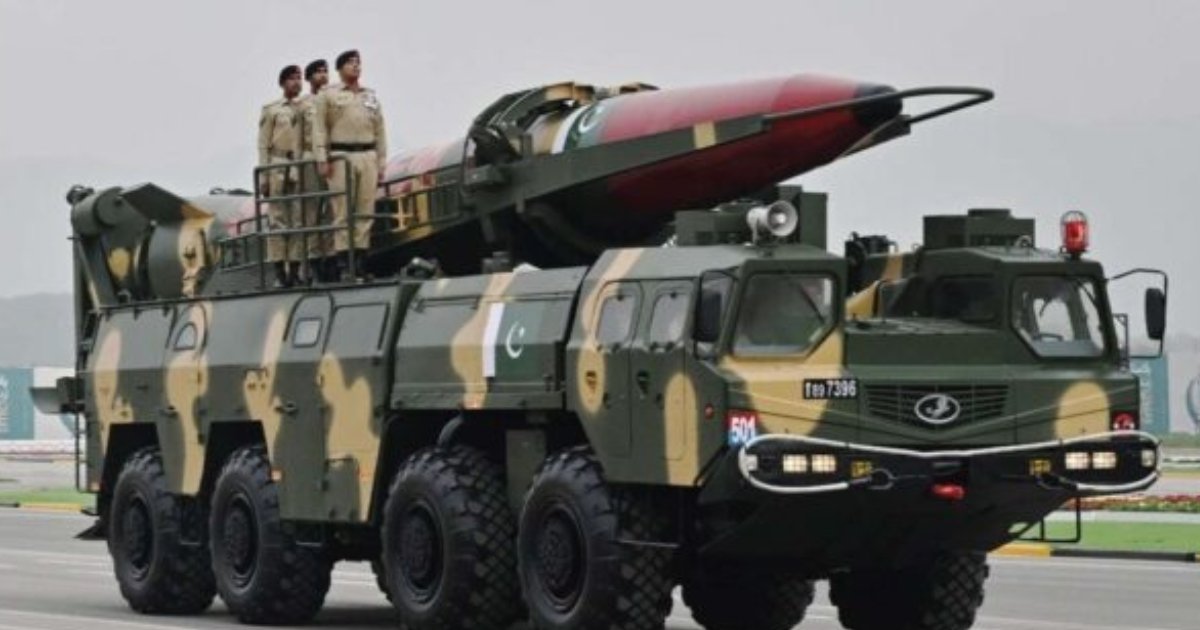
Two-front preparedness refers to readiness to address simultaneous threats across multiple borders. For Pakistan, this means fighting terrorism at home while deterring aggression on the eastern frontier. The military bases its doctrine on this dual challenge. As Defense Minister Khawaja Asif stated in January 2026, Pakistan is “ready” to fight aggression on both its eastern and western borders simultaneously. In 2025, the Armed Forces confronted simultaneous challenges ranging from border tensions to counterterrorism. This two-front posture underpins Pakistan’s security strategy: it treats internal stability and external deterrence as complementary tasks.
Internal Counterterrorism and Stabilization
Pakistan’s internal stabilization campaign is based on intelligence-driven operations. The security forces conduct a continuous counterterrorism campaign, striking at militant hideouts in Khyber Pakhtunkhwa, Balochistan, and urban centers. In early 2026, Pakistan Army intelligence-based operations killed dozens of terrorists. For instance, on January 29, 2026, two simultaneous attacks in the Harnai and Panjgur districts of Balochistan killed 41 terrorists and recovered large caches of arms and explosives.
On 29 January 2026, forty one terrorists belonging to Indian proxy, Fitna al Khwarij and Fitna al Hindustan, were killed in two separate operations in Balochistan.
An intelligence based operation (IBO) was conducted in outskirts of Harnai District on reported presence of Fitna…
— DG ISPR (@OfficialDGISPR) January 30, 2026
Likewise, in February 2026, a joint army-police raid in Lakki Marwat, KPK, eliminated four TTP terrorists and seized their weapons. Urban law enforcement also takes action. A Counter-Terrorism Department Balochistan raid neutralized fourteen BLA insurgents and found grenades and explosives at their hideout.
Quetta: Counter-Terrorism Department (CTD) conducted two intelligence-based operations in Darakhshan (Quetta) and Barkhan areas.
14 terrorists (8 in Darakhshan, 6 in Barkhan) were killed in exchanges of fire.
3 CTD personnel were injured.
Large cache of arms, ammunition, and… pic.twitter.com/hmOs6Xl8vE
— Mohsin Ali (@Mohsin_o2) February 18, 2026
These operations align with Pakistan’s strategic logic of area clearance and stabilization. Authorities speak of a “sanitization” phase following each encounter to wipe out surviving terrorists. The operations are guided by the framework of the National Action Plan. Under Vision Azm-e-Istehkam, which was passed by a Federal Apex Committee with civilian and military leaders, Pakistan is pursuing a “relentless counter-terrorism campaign to wipe out the menace of foreign-sponsored terrorism”.
In practice, this means army-led intelligence-based operations (IBOs) undertaken with police and paramilitaries against infiltrators. Internal analyst reports indicate that despite record militant casualties, terrorism increased massively in 2025, attacks increased 34%, and fatalities 21%, underscoring the need for an ongoing effort. Pakistan, therefore, emphasizes intelligence dominance and area stabilization through an integrated strategy of military action and enhanced policing to prevent terrorist regrouping.
Eastern Border Deterrence, Conventional and Nuclear Posture
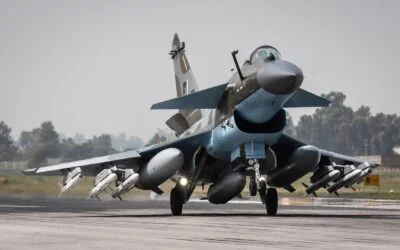
On the eastern front, Pakistan maintains a robust deterrence posture. The May 2025 crisis with India proved that Pakistan is ready for conventional warfare. Pakistan Air Force and Army forces launched coordinated attacks during the four-day battle, with strikes hitting Indian bases and downing enemy fighters. Defense analysts hailed this response as evidence of Pakistan’s “conventional deterrence capability and joint-force readiness”.
Army Chief General Munir said that no provocation would go unanswered: Pakistan “will never be intimidated or coerced” and will respond strongly even to a minor attack. In his address, he noted that Pakistan’s forces downed advanced Rafale jets and struck S-400 air defense systems, “displaying [Pakistan’s] capabilities and will to defend”. These statements and actions signal to adversaries that Pakistan can inflict high costs for aggression.
Nuclear deterrence is the basis of this posture. Pakistani leaders emphasize that a full-scale war between nuclear neighbors is unthinkable. Field Marshal General Munir emphasized, “There is no place for war in a nuclearized environment”. Defense Minister Asif also expressed confidence that Pakistan’s response in May 2025 proved its preparedness and credibility, and it was noted that pressure from the international community compelled India to propose a ceasefire soon after. Pakistan uses a combination of modern conventional strength and nuclear strategy to deter multi-domain threats. It ensures credible minimum deterrence and concentrates on fast, synchronized conventional counterattacks to assure stability on the eastern border.
Civil-Military Coordination
Pakistan’s two-front strategy depends on tight civil-military cooperation. Counterterrorism and stabilization encompass all branches of government. In August 2024, the federal government called for a National Action Plan (NAP) Apex Committee, chaired by the Prime Minister and Chief of Army Staff. That committee vowed to “intensify counter-terrorism efforts” with the help of all available resources and solidify intelligence sharing and coordination among security forces and law enforcement agencies. It also pledged to strengthen the capacity of the police, Levies, and CTD in insurgent areas. This whole-of-government approach leads to operations: the different forces, regular forces, paramilitaries, and police units carry out joint raids and follow-up sweeps under unified command and legal supervision.
Coordination is not limited to security. The Army also takes the lead in disaster relief and development in fragile areas; this helps to stabilize local populations. For example, in the August 2025 floods, the military’s rescue and rehabilitation work far exceeded the capacity of civilian authorities and showcased the military’s logistical reach. Officials stress that although army assistance is winning public support, it remains a priority to strengthen civilian agencies (provincial police, paramilitaries, and disaster management authorities) to reduce long-term dependency on the military. In insurgent provinces such as Balochistan, infrastructure and governance initiatives are also backed by infrastructure and security sweeps by the Army. National policy is therefore a weave of military force and civil development aimed at securing the internal stability of Pakistan.
Strategic Implications for Regional Stability
Pakistan’s dual-front policy has a broader regional impact. By preventing conflict and fighting militants, it contributes to South Asian stability. As Field Marshal General Munir observed, amid global volatility, “Pakistan has been able to emerge as a net regional stabilizer”. Pakistan uses its military strength to deepen its relations with its most important partners and contribute to collective security. Its new defense pact with Saudi Arabia in 2025 reaffirms Pakistan’s status as a security partner not only within South Asia, and its troops continue to be major contributors to UN peacekeeping (the general acknowledged Pakistan’s proven contributions to peace in the region). Islamabad says that credible deterrence along its borders has prevented proxy conflicts from spiraling out of control. By signaling resolve against India and militancy, Pakistan is trying to discourage wider confrontation. Its leadership has also pressured neighbors: the army chief has urged Afghanistan’s Taliban government to get a grip on groups striking Pakistan, threatening that any state-backed proxies “will be razed to dust” if threats continue.
You May Like To Read: Security Forces Neutralize 34 Foreign-Sponsored Terrorists in Khyber Pakhtunkhwa and Balochistan
Conclusion
Pakistan’s synchronized internal and external strategy is aimed at influencing a stable security environment. Through combined counter-terror campaigns at home and strong deterrence at the border, Islamabad projects that it will defend its sovereignty on all fronts. This stance, Pakistani officials suggest, deters foes and consequently provides the foundation of stability in the region. The coordination of various civil agencies and military forces within a unified plan ensures that Pakistan’s two-front preparedness is credible in practice as well.
Check out our latest video: