
Comprehensive Analysis of the Afghan Internal Consolidation (2025) and Pakistan’s Cross-Border Offensive (2026).
Status: Ongoing (As of May 1, 2026)
Executive Summary
Operation Ghazab-lil-Haq (Wrath for the Truth) represents two distinct but interconnected military phases that have redefined the security architecture of the Durand Line. What began in 2025 as a Taliban-led internal consolidation campaign has evolved in 2026 into a high-intensity conventional conflict initiated by Pakistan. The current theater is characterized by precision airstrikes, heavy artillery duels, and significant degradation of border infrastructure.
Phase I: Internal Consolidation (January – March 2025)
In early 2025, the Kabul administration launched the initial “Ghazab-lil-Haq” to neutralize the National Resistance Front (NRF) and secure the northern provinces.
Operational Timeline (2025)
| Phase | Timeframe | Key Tactical Events |
| Mobilization | Jan 15–20 | Mass movement of elite Badri 313 and Omari units from Kabul toward the Panjshir Valley. |
| Initial Strike | Jan 21–25 | Coordinated assaults on Panjshir entry points using captured Western drones and armored vehicles. |
| Siege | Jan 26–Feb 10 | Enforcement of total communication blackouts and roadblocks to isolate resistance pockets. |
| Consolidation | March 2025 | Declaration of neutralization of the rebellion; launch of house-to-house search operations. |
Documented Impacts (2025)
Displacement: 30,000 to 45,000 civilians internally displaced, largely fleeing toward Tajikistan.
Infrastructure: Destruction of key infrastructure across the Afghan border and dismantling of fiber optic towers.
Agriculture: A 20% drop in agricultural output due to the seizure of livestock and disruption of spring planting.
Operation Ghazab-lil-Haq Crushes Aggressors as Pakistan Reclaims Border Sovereignty https://t.co/WRLIaSbUUH
— Aam Awaam (@hum_aam_awaam) February 28, 2026
Phase II: Cross-Border Escalation (February – May 2026)
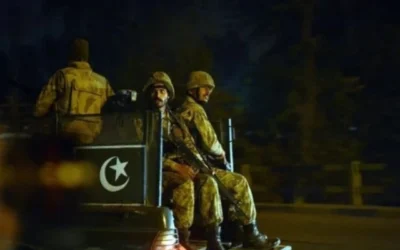
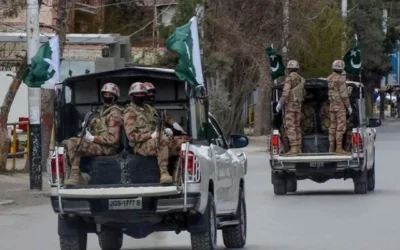
The second iteration of the operation began on February 21, 2026, when Pakistan initiated a large-scale offensive targeting Tehrik-i-Taliban Pakistan (TTP) and ISIS-K hideouts, which later expanded into direct engagement with Afghan Taliban forces.
Operational Timeline (2026)
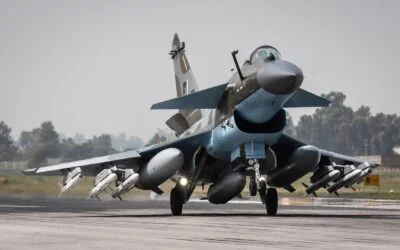
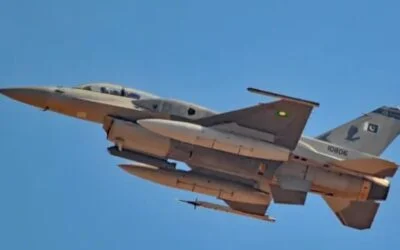
Feb 21: Pakistan Air Force (PAF) launches precision strikes in Nangarhar and Paktika.
Feb 26: Following retaliatory fire, Pakistan declares “open war,” expanding targets to include Afghan military infrastructure.
April 15: Hostilities reignite in the Bajaur and Chaman sectors after a brief Eid ceasefire.
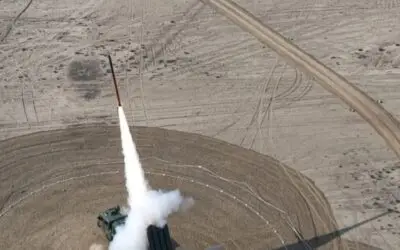
April 28–30: Intensive artillery fire destroys Afghan posts at Sarshan and Al-Marjan in the Chaman sector.
🚨⚠️Operation Ghazab-lil-Haq 💥
Pakistan Army continues a swift and decisive response to unprovoked aggression by Afghan Taliban 💥 TTA #Afghanistan#Pakistan Army effectively targeted and destroyed multiple Afghan Taliban posts in Chaman sector.
Afghan Taliban positions at… pic.twitter.com/k8bM5BdcRV
— Pakistan Armed Forces News 🇵🇰 (@PakistanFauj) April 28, 2026
Current Strategic Impact and Damages (2026)
1. Degradation of Military Infrastructure
The Pakistan Army has achieved significant tactical success in “neutralizing” Afghan border capabilities:
Border Assets: Over 27 Afghan posts (including Charlie and Babri) reported destroyed or captured.
Command Centers: Airstrikes neutralized brigade HQs in Kabul, a corps HQ in Paktia, and core assets in Kandahar.
Logistics: Over 80 pieces of heavy equipment, including tanks and artillery pieces, have been disabled.
Pakistan Army Records Major Successes in Operation Ghazab lil Haq as Humanitarian Pause Begins https://t.co/uqhysPR575
— Aam Awaam (@hum_aam_awaam) March 20, 2026
2. Border Control and Infiltration
Tactical Heights: Pakistani forces have seized strategic ridgelines in the Paktia region to monitor traditional militant infiltration routes.
Logistics Severance: The Afghan terminal at Angoor Adda was destroyed to paralyze unauthorized movement across the Durand Line.
On 28-29 April 2026, thirteen khwarij belonging to Indian sponsored Fitna-al-Khwarij were killed in two foiled infiltration attempts along Pakistan-Afghanistan Border in Khyber Pakhtunkhwa Province.
In Mohmand District, movement of a group of khwarij trying to infiltrate through…
— DG ISPR (@OfficialDGISPR) April 30, 2026
3. Humanitarian Crisis
Casualties: Recent 24-hour windows have seen at least 3 civilian deaths and 12 injuries in Kunar province due to heavy shelling.
Infrastructure:Severe damage has been reported in Afghan areas.
Geopolitical Standpoint
Pakistan’s Position: The military command maintains that the operation is a “defensive necessity” and will continue until TTP hideouts are eradicated and border aggression from Afghan soil ceases.
Kabul’s Position: The Afghan Foreign Ministry has condemned the 200+ missile strikes as a flagrant violation of sovereignty, summoning Pakistani diplomats in protest.
Current Status: As of May 1, 2026, the border remains a high-intensity combat zone. The Pakistan Army remains in a state of high preparedness, responding decisively to any troop movements near the Durand Line while international calls for restraint persist.
You May Like To Read: Pakistani forces’ firm response after fire from Afghanistan injures 05 civilians
Check out our latest video: