The eastern theatre of the 1971 Indo-Pakistani War was a maelstrom of conflict and a brutal struggle that would go on to reshape the geopolitical face of South Asia. The 1971 war is generally hailed as a triumph by Indian media and literature; however, there are many instances where the Pakistani forces held onto their position till death and defended it with unshakeable resolve until formal orders came on 16 December 1971 to vacate. One of the many theatres was the Battle of Hilli. A numerically inferior but highly determined Pakistani garrison that was spearheaded by the 4th FF and the valour of Major Muhammad Akram, etched a saga of heroic resistance against overwhelming odds.
Hilli was not merely a small town in East Pakistan, but also an important strategic checkpoint. Located on the main railway line and road connecting Northern East Pakistan to the vital town of Bogra, its capture was important to the Indian Army’s offensive to cut off and dismantle Pakistani defenses in the North. Accordingly, the Pakistani high command had turned Hilli into a formidable stronghold. The area was turned into a labyrinth of bunkers, trenches, minefields, and barbed wire designed to inflict maximum damage on any attacking force.
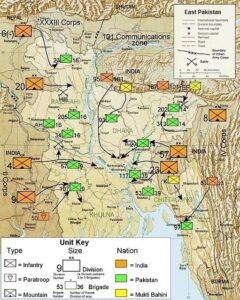
Detailed map of the Battle of Hilli, 1971
Source: alchetron
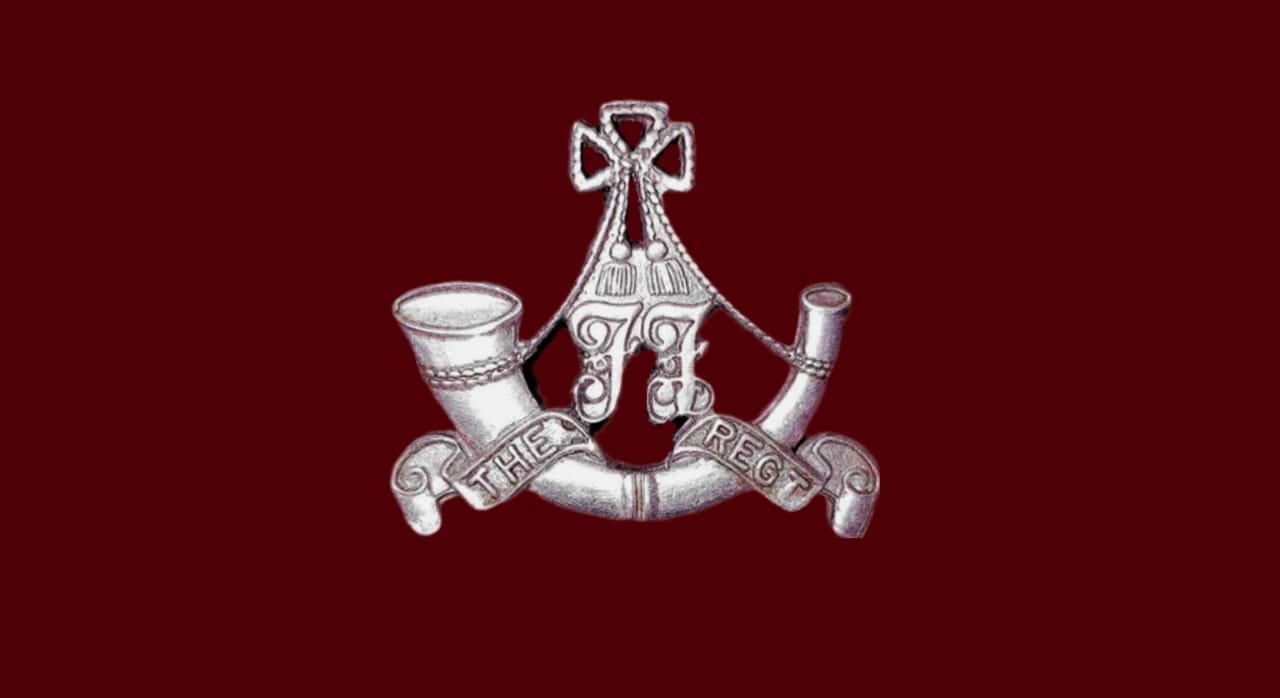
It was for this reason that the first major attack on Hilli began on November 22, 1971, even before the formal declaration of war. The Indian Army’s 202 Mountain Brigade was a seasoned formation that launched a frontal attack, expecting to break through the defenses without too much ado. However, they were met by the unyielding resolve of the 4th Frontier Force. This battalion had been preparing for this test of endurance for quite some time. Men of 4 FF, under the leadership of their commanding officer, transformed Hilli into an impregnable fortress. Every man was aware of their singular goal: to hold the line at all costs.
The initial thrust was aimed at the village of Morapara, a significant Pakistani stronghold within the Hilli complex. There followed a series of incredibly fierce and close-quarter battles. Despite the Pakistani defenses being primitive compared to modern fortifications, they were ingeniously laid out with camouflage and mutually supporting machine gun nests pouring sheets of fire onto the advancing Indian infantry. The artillery and mortar fire from both sides pounded the terrain into a moonscape of explosions and flying shrapnel. Despite their numerical superiority, heavy artillery support, and protected approach lanes, the Indian forces found every inch of ground contested with immense ferocity.
It was during these brutal encounters that Major Muhammad Akram came into prominence as a towering figure of courage. A company commander in 4 FF, Major Akram, held the defenses of a very important sector of the Hilli defenses. Wave after wave of Indian assaults backed by tanks and heavy weaponry were repulsed by Maj Akram and his men with exemplary steadfastness. Constantly being shelled and faced with direct infantry charges, Akram moved fearlessly among his troops, inspiring them through personal example. He directed fire, rallied flagging spirits, and personally led counter-attacks against Indian penetrations.

Source: inp
Reports from the battle speak of Major Akram demonstrating an almost superhuman will. When Indian tanks attempted to breach his company’s positions, he is said to have personally engaged them, sometimes with anti-tank weapons, and on other occasions, directing intense fire that forced their withdrawal. This fearless presence under fire became a beacon to his beleaguered soldiers, instilling in them a belief that they could, against all odds, repel the superior enemy. His leadership was not simply tactical but deeply moral. He led from the front, inspiring his men to fight with a courage born of conviction and fierce loyalty to their nation.
The battle raged on for days, marked by hand-to-hand fighting and ceaseless artillery bombardment. The 4th FF, though massively outnumbered by the combined Indian-Mukti Bahini forces, inflicted such heavy casualties upon the attackers that their advance was slowed and their timetables upset. The frustrated Indian Army had to take stock of the situation because of the slow progress of its troops and the heavy losses. The sheer doggedness of the Pakistani resistance at Hilli reflected the brilliance of their defenses and the fighting spirit of the 4 FF.
As the 4 FF held on gallantly to Hilli, Indian forces, taking full advantage of their numerical preponderance, started bypassing the strong-point and launched fresh attacks elsewhere to cut off Pakistani lines of communication and retreat. The strategic situation of the Pakistan Army in East Pakistan was rapidly deteriorating and nothing but the most heroic local defense could alter the broader trajectory of the war. War accounts of Indian officers have also extolled the bravery of the 4FF:
Lieutenant Colonel Diljit Singh (Retired), in his article published in two parts in Indian Defence Review, July 1994 and October – December 1994, gave graphic details of the Battle of Hilli. Some of the excerpts are:
“Hilli in Bangladesh was the fiercest battle fought in the east during the 1971 war. Major Akram was the Pakistani hero of the Hilli battle. Akram’s name rouses the soldier in you. The assaulting companies were scathed by fire”.
By December 11, 1971, after weeks of intense fighting and with the imminent threat of complete encirclement following successful Indian flanking maneuvers, the remaining Pakistani forces at Hilli were compelled to withdraw. Though Hilli eventually fell, it showed the indomitable spirit of the Pakistani soldier. The delay imposed at Hilli by 4 FF bought precious time for other Pakistani units and also brought heavy casualties to the attacking forces, a fact that testified that even against overwhelming power, courage and determination could exact a heavy toll. Unfortunately, Major Muhammad Akram did not survive the battle. He embraced shahadat in action on December 5, 1971, while leading his men in a desperate counter-attack.
For his extraordinary valor, selfless courage, and unparalleled leadership in the face of impossible odds, Major Muhammad Akram was posthumously awarded the ‘Nishan-e-Haider’, Pakistan’s highest military award. He became a symbol of Pakistani military heroism, his name forever enshrined in the annals of military history as a beacon of resistance and sacrifice.
The Battle of Hilli serves as a poignant reminder of the human element in warfare. It underlines the immense power of disciplined courage, strategic defense, and inspirational leadership against a backdrop of numerical inferiority. The unyielding stand of 4th FF and the supreme sacrifice of Major Muhammad Akram at Hilli symbolized the heroic resistance of Pakistan’s Armed Forces in 1971, a legacy of valor that continues to inspire.