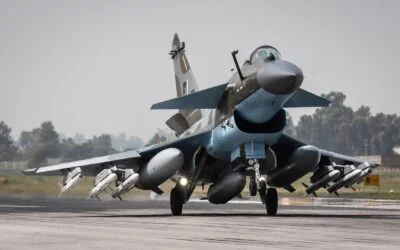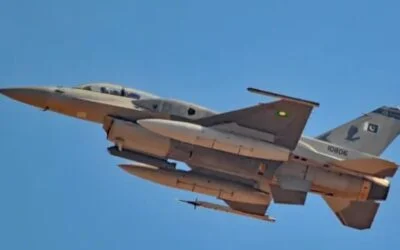
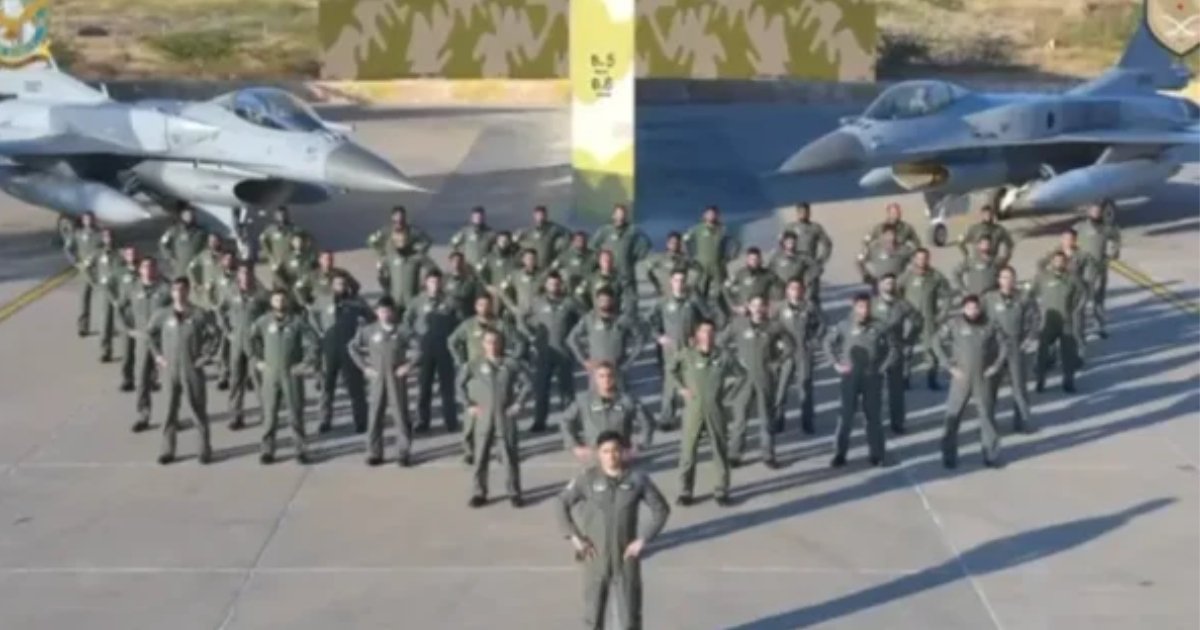
In January 2026, a contingent of F-16 Block-52 fighter jet aircraft of Pakistan Air Force (PAF) flew directly to Saudi Arabia to take part in Exercise Spears of Victory-2026, a multinational aerial combat exercise hosted by Riyadh. The drill comprised Saudi, Pakistani, French, Italian, Greek, Qatari, Bahraini, Jordanian, British, and U.S. aircraft. The military spokesman of Pakistan said that it offered a solid platform for promoting interoperability, operational synergy, mutual understanding, and capacity building among the participating Air Forces. The PAF claimed it was demonstrating its operational readiness in a technology-intensive, contested battlespace through these coalition operations. Even the deployment was spectacular: Pakistani jets flew a continuous, in-flight-refueled flight to the field of exercise, proving the range of the PAF. In the following days, Pakistani F-16 pilots were trained by allied AWACS and participated in complex combat operations (coordinated intercepts, missile strikes, etc.) with the rest of the coalition fighters. This simulated setting expanded the air tactics of Pakistan into a world of large-scale network warfare.
PAF CONTINGENT ARRIVES IN KINGDOM OF SAUDI ARABIA TO PARTICIPATE IN EXERCISE SPEARS OF VICTORY-2026
19 January, 2026: Pakistan Air Force contingent comprising F-16 Block-52 fighter aircraft, alongside dedicated air and ground crew, has arrived at King Abdulaziz Air Base, Kingdom… pic.twitter.com/gkltWXOKhW
— DGPR (AIR FORCE) (@DGPR_PAF) January 19, 2026
Pakistan’s involvement is based on its wider Gulf defense relations. In September 2025, Riyadh and Islamabad signed a Strategic Mutual Defense Agreement, which promised that any attack on either party would be considered an act of aggression against both. Since then, Spears of Victory has been a flagship event, reflecting Saudi Arabia’s policy of bringing Gulf and Western air forces together under a similar framework. The presence of Pakistan indicates it is a major partner in security matters: by incorporating PAF units into the practice, Saudi planners strengthened a security pledge. To Islamabad, such an alliance provides greater collective deterrence and a stronger military relationship with the Gulf states.
Continuity and Capability Showcasing
The 2026 deployment was based on the previous PAF commitments. In 2025, the PAF deployed JF-17 Block-III planes (with aerial tankers) to the same drill. These jets are able to fly continuously from Pakistan to Saudi Arabia and back, underscoring the expertise of Pakistan’s aerial refueling. Pakistan claimed that its JF-17s had demonstrated long-range operational performances and had performed well in countering advanced fighter attacks. Pakistan has provided both F-16s and JF-17s in consecutive years, and by doing so, it has made sure that various planes and crews have coalition experience. It also enabled the defense industry in Pakistan to demonstrate its hardware on a global platform, which helped build its credibility with prospective buyers.
Interoperability Gains and Professional Excellence
The benefits of interoperability exercises are tangible to the PAF. The crews receive practical training on NATO tactics, Link-16 datalinks, and coalition command operations. Accompanied by U.S., UK, and French jets, Pakistani pilots conducted integrated ISR operations, a combined strike package, and suppressing-enemy-air-defenses operations in realistic conditions. Similarly, PAF support teams and maintenance staff performed their work in the air bases belonging to allies, where they shared the practice of logistics and support. These interactions enabled Pakistan to recognize its capability gaps and embrace the best practices locally. According to the ISPR, the exercise highlights professional excellence and demonstrated capability of the PAF, which is one of the highest levels of proficiency of Pakistan’s projects. Concisely, the exercises enhance war-fighting capabilities and integration throughout the force.
The airpower alliances of Pakistan have both practical and political implications. Operationally, the interoperability exercises such as Spears of Victory enhance the combat preparedness of the PAF, as well as the logistics compatibility of the coalition operations. On the diplomatic front, they strengthen Pakistan as an active player in the regional security systems. Pakistan sends the message that it is contributing towards collective security by standing shoulder to shoulder with Gulf and Western air forces. This is expected to increase the deterrence profile of Pakistan, observes the observers, since a single air defense system implies that any aggression will prompt a multi-nation response. It further enhances the diplomatic status of Pakistan by portraying potential reliability, and more serious strategic consultation becomes accessible. However, in the end, these drills demonstrate that the air force of Pakistan is modernizing and becoming embedded in the greater security structures, extending the influence and dedication of the Pakistani nation well beyond its borders.
Just In!!
A Pakistan Air Force contingent has arrived in Saudi Arabia to take part in the multinational aerial combat exercise Spears of Victory 2026, @OfficialDGISPR said.The deployment includes F-16 Block-52 fighter jets along with air and ground crew. The exercise involves… pic.twitter.com/TQ3A6UqQ6Z
— HTN World (@htnworld) January 20, 2026
Conclusion
Pakistan’s participation in Exercise Spears of Victory-2026 underlines the increasing importance of airpower cooperation as a pillar of national security policy and external engagement. From the policy side, continuous participation in high-end multinational exercises should be integrated as a regular element of Pakistan’s defense diplomacy, where Pakistan may continue to get exposure to high-end operational concepts, coalition command structures, and emerging technologies in modern-day air warfare. Such engagements provide direct support for force modernization, doctrinal adaptation, and human capital development in the Pakistan Air Force.
These partnerships increase the deterrence by integrating Pakistan into collective defense networks, increasing the strategic costs of coercion/aggression. As we advance, deploying airpower partnerships as tools of both deterrence and diplomacy can strengthen Pakistan’s strategic autonomy, raise its regional influence, and solidify Pakistan’s position as a stable and credible security partner in an increasingly contested geopolitical environment.