
The Pakistan Army’s counterterrorism campaign in the Afghan border region is a significant part of its strategic adaptation. The army has carried out two large-scale military operations, namely Operation Rah-e-Nijat (2009) and Operation Zarb-e-Azb (2014). These operations provide important case studies of the highs and lows of such a protracted and challenging battlefield. These battles were not merely military campaigns but also complicated socio-political undertakings that had significant implications for Pakistan’s security and stability.
Operation Rah-e-Nijat: A Tactical Success with Strategic Flaws
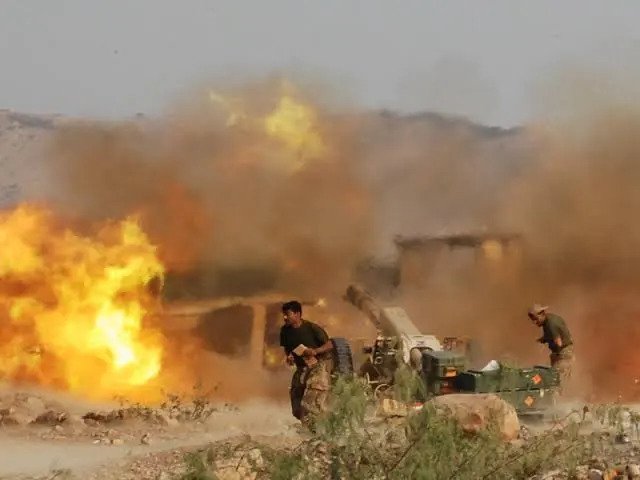
In October 2009, Operation Rah-e-Nijat (“Path to Salvation”) was initiated to drive out Tehrik-i-Taliban Pakistan (TTP) and allied militants from their bases in South Waziristan. The military took some lessons from earlier. A multi-front campaign was employed, which included combined ground attacks coupled with heavy air power and intelligence support. There are also some reports that assert U.S. drone assistance. The operation was a major tactical success. As a result, important towns such as Kotkai and Kaniguram were retaken, and the militants suffered significant losses. The application of a measured blockade helped in isolating the militants from external support. Such tactics played an important role in its success.
Source: criticalthreats
Successes
Tactical Gains: The army was able to evict the TTP from their major stronghold and reoccupy South Waziristan, which had been their safe house for years.
Improved Military Strategy: OP Rah-e-Nijat showed considerable improvement in the Pakistan Army’s counterinsurgency skills. It went beyond a purely conventional strategy by incorporating more advanced tactics such as encirclement and the employment of airpower to assist ground operations.
Change in Resolve: The operation marked a strengthening of Pakistan’s resolve against the militants. This was a huge shift from earlier failed peace agreements that were aimed at encouraging them to negotiate.
Setbacks
Humanitarian Crisis: The operation created a huge humanitarian crisis. An estimated 2 million civilians were displaced. The resettlement of these internally displaced people (IDPs) and the rebuilding of the local economy and governing structures became a huge issue.
Sustainability of Gains: Critics remarked that some of the gains of this operation were unsustainable. The anticipated short-term presence of the military in the area created fear and deterrence that did cause hasty withdrawal. It would enable scattered militants to reorganize and continue their activities after the end of the operation. This would later call for the permanent presence of troops in this region due to its delicate security environment.
Following the major terrorist attack on the Jinnah International Airport in Karachi in June 2014, Pakistan launched a decisive and comprehensive military offensive codenamed as Operation Zarb-e-Azb, meaning a ‘sharp and cutting Strike’. The operation was launched with the mission of targeting all militant groups, both local and foreign, in North Waziristan. The region had become a major hub for various terrorist organizations, including the FAK (formerly known as TTP) and the Haqqani Network.
Successes
Major Support: With respect to past operations, Zarb-e-Azb had broader political and popular support, which was one of the key elements in its success. The horror of the Karachi attack rallied the country and created a consensus for a strong military response.
Comprehensive Approach: The operation was praised for its comprehensive and holistic approach. It was not only aimed at clearing the area but also to hold it for a significant time period and then transfer control to the civilian administration. This was an important step towards ensuring long-term stability. The army carried out operations to sever militant supply routes and finances.
Massive Decline in Terrorism: Zarb-e-Azb resulted in a sharp turnaround in the security situation of not only the tribal areas but also Pakistan as a whole. The ratio of terrorist attacks had reduced to a ‘six-year low’ following the operation. The overall security situation also improved significantly..
Disruption of Terrorist Networks: The offensive was able to efficiently destroy the organizational network of militants in North Waziristan. This was pertinent in destroying their command and control centres, training camps and hideouts.
Setbacks
Ongoing Displacement: Just like Rah-e-Nijat, Zarb-e-Azb also led to mass displacement of almost 1 million individuals, causing an enormous IDP crisis in its wake. Lack of pace in return and their rehabilitation became a major issue.
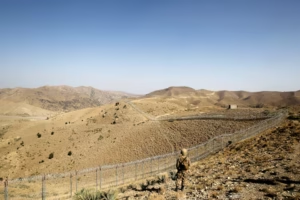
Cross-Border Movement: Even as the operation swept North Waziristan clear, there were numerous militants, including top officials, who escaped across the porous border into Afghanistan. They have since reorganized and continued to be a threat to Pakistan’s security from across the border. This is one of the many reasons that border-fencing had to be initiated.
Source: reuters
Post-Operation Challenges: Military success on the battlefield had to be converted into enduring peace and stability. The task of reinstating a strong civilian administration and rebuilding the region’s socio-economic infrastructure is an ongoing task.
Operations Rah-e-Nijat and Zarb-e-Azb are two distinct phases of the Pakistani counterterrorism strategy. Rah-e-Nijat was a tactical win but had strategic shortcomings as it resulted in pushing the militant threat but not eliminating it. Zarb-e-Azb, in contrast, was a more forceful and extensive operation that brought more lasting outcomes. It also helped enhance the overall security situation of Pakistan. These operations have important lessons to be remembered for counterterrorism operations in the future. It highlights the importance of a long-term, multi-dimensional response to counter-terrorism that includes military action as well as political will, good governance, and a strategy for rehabilitation and development over an extended period of time. The long-term task for Pakistan’s military and government is to prevent the gains on the battlefield from being undermined by the militants’ capacity to regroup and reorganize from sanctuaries in other countries.