Defense of Borders in the 1965 War
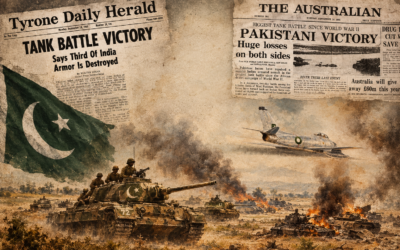
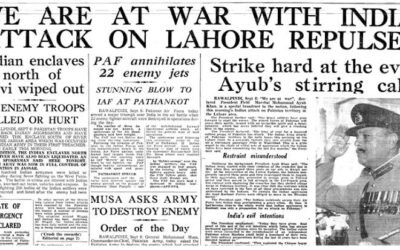
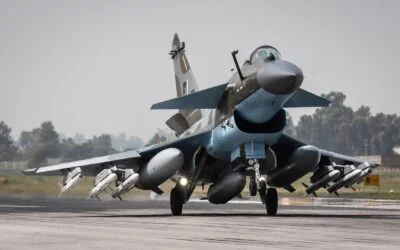
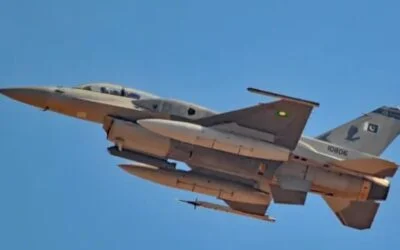
Each year, on September 6, the people of Pakistan remember an important chapter of their history and observe it as Defense Day. On this day in 1965, the Indian troops crossed the border and attempted to occupy Lahore. This was a grave challenge to Pakistan’s independence, but the country rose to the occasion and was able to protect its territory by being brave. The Pakistan Army, Air Force, and Navy played a crucial role in guarding the borders. Through the earth battles in and around Lahore and Sialkot, through the gallant exploits of the air, not a man of the Army took the field without a hearty purpose. Pakistan was able to defend itself, and its defense was proven effective despite numerous difficulties, as the enemy was stopped and forced to retreat. This day tells us not only about the war, but also about the spirit of courage and sacrifice demonstrated by people who defended the borders. It became a source of national pride and a unifying force, as it showed that the power of Pakistan lies in its people and their patriotism towards the motherland.
You May Like To Read: The Day the Guns Roared: IV Corps Artillery and the Battle for Chhamb
Heroes of Defense Day
Defense Day is not only a day to recall the 1965 war but also a day to pay tribute to the heroes who made history with their bravery and sacrifices. These men were heroes of courage, who reminded us that defending the homeland is the greatest task.
Major Raja Aziz Bhatti is one of the most eminent names. He was at the Lahore front, and he led his unit with more than ordinary courage. During this period, six days in a row, he battled with his men and frequently went to the front, despite heavy shelling. His courage and leadership stood up to the enemy. He accepted martyrdom on September 10th, but his martyrdom was a shining example of national loyalty. He received the Nishan-e-Haider, Pakistan’s highest military award.
The other memorable hero is Squadron Leader MM Alam of the Pakistan Air Force. He is the so-called falcon of Pakistan and a legend of the war. During a single aerial attack, he shot down five Indian fighter jets within a minute, which set a record that inspired the whole nation. His prowess, speed, and fearlessness improved the morale of the armed forces and demonstrated the power of the Pakistani defense unit in the skies to the world.
The Navy also had its heroes. The Pakistan Navy launched an adventurous operation called Dwarka and attacked the Indian coastal town of Dwarka, destroying radar installations and crippling the Indian surveillance system. This operation demonstrated that Pakistan was able to strike far inland and protect its waters with ease.
These heroes showed that it was not only their duty to defend Pakistan but also their honor. Their martyrs are still remembered in history books, at school, and in the hearts of the nation. Their names are recalled every Defense Day as a reminder that true greatness lies in those who serve and protect their country.
The Role of Civilians, and National Unity
The war in 1965 was not only fought on the battlefield, but also a time when the Pakistani nation was united as one. The civilians were side by side with the armed forces, as the defense of a country is not the duty of soldiers alone, but of all citizens.
Cohesion of 1965 was not emotional, but also practical. Employees at the factories worked extra hours to ensure that the weapons, equipment, and supplies could be delivered to the armed forces promptly. The farmers continued working, even during the war, because they wanted the food supply to remain stable. Each of them made contributions to the defense of the country in his or her own way.
This combined action formed a good relationship between the people and the army. Frontline soldiers were encouraged to fight knowing that their loved ones, family, and fellow citizens were behind them. It is this sense of national solidarity that transformed a crisis into a narrative of pride and might in Pakistan.
Commemorating the Heroes
The nation of Pakistan still respects and prides itself on the heroes of 1965. Defense Day is not simply a day on the calendar that reminds us of what we have lost to gain Pakistan its freedom and dignity. Special events are held all over the nation in honor of the martyrs and ghazis who fought to protect the country.
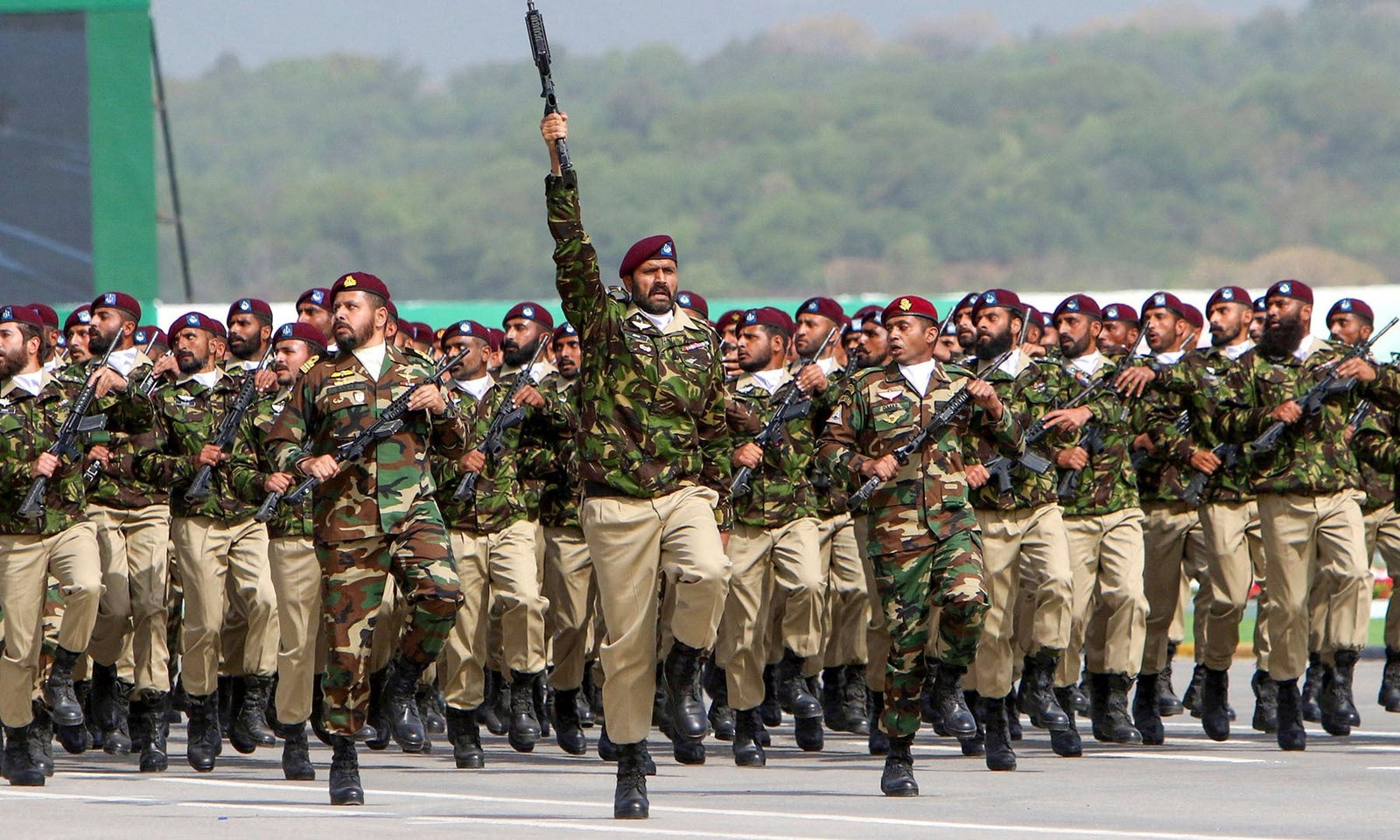
The first one is taken at the General Headquarters (GHQ) in Rawalpindi, where senior military officials, government officials, and families of martyrs are present. Wreaths of flowers are placed at the monuments of Nishan-e-Haider awardees, and the national anthem reverberates with a feeling of pride. The army, navy, and air force conduct parades and exhibitions to showcase Pakistan’s military power and also commemorate the sacrifices made in the past.
Another important role in preserving memory is played by schools, colleges, and universities, which draw attention to the heroism of the 1965 heroes. Such exercises not only inform the younger generation but also motivate them to serve their country in their own ways. Defense Day is given a whole segment in media houses. The war is covered in documentaries, interviews with war veterans, and special programs on the lives of martyrs are aired to remind the country of its proud history. Tributes, messages of patriotism, and memories of the sacrifices made in 1965 also flood social media.
Conclusion
Defense Day is a symbol of courage, sacrifice, and unity in Pakistan. The soldiers and civilians who became heroes in 1965 demonstrated that love for one’s homeland is greater than any foe. The loss of their lives makes us realize that freedom is never free; it is gained and maintained through hard work and belief. When we honor these heroes in 2025, we should also look at what we can do as citizens. The main challenge of being a true patriot is not simply to remember the past, but also to create a better, more powerful, unified, and richer future. The Defense Day spirit urges all Pakistanis to protect the country’s honor, uphold its supporting pillars, and ensure the flame of unity continues to burn in the generations to come.
You May Like To Read: DG ISPR’s Campus Visits: Engaging Youth to Counter Anti-Army Narratives