The Indian Ocean, long a vital artery for global commerce, has recently become a volatile theater of Great Power competition. With two-thirds of the world’s oil shipments and a third of its bulk cargo transiting these waters, the stakes for regional stability have never been higher. In a landmark interview with the Daily Mirror, Admiral Naveed Ashraf, Chief of the Naval Staff of the Pakistan Navy, detailed how Pakistan is navigating this “vortex of geopolitical rivalries” while advocating for an inclusive, rules-based maritime order.
A New Era of Modernization and Multi-Domain Operations
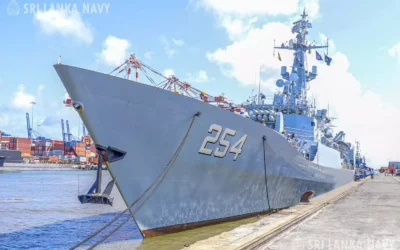
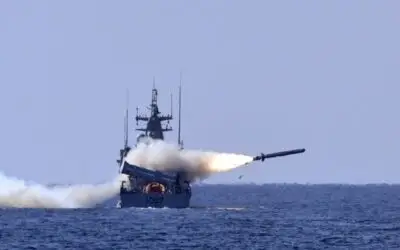
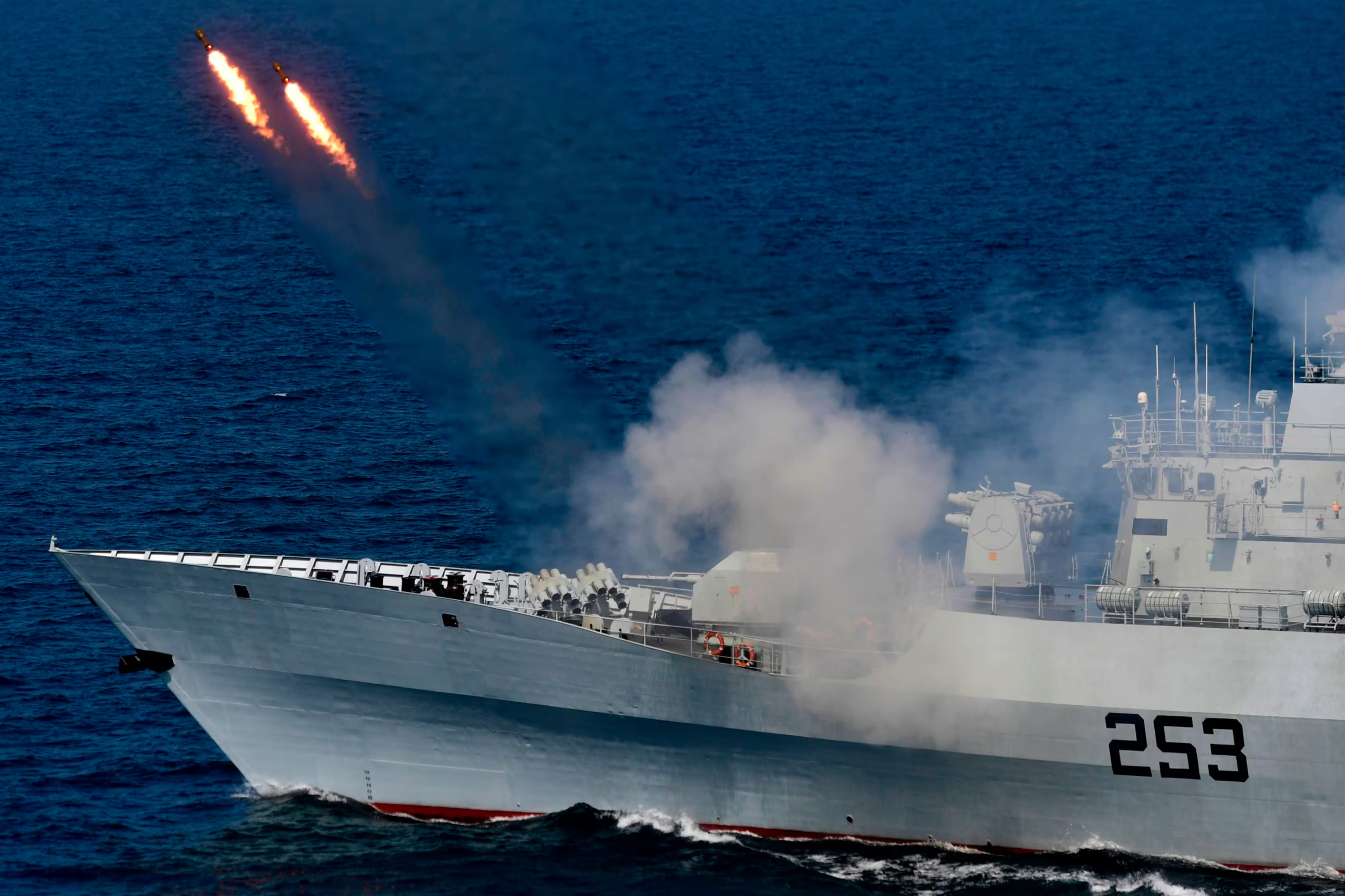
Pakistan has met the escalating complexity of the maritime environment with a robust modernization program. The induction of Type-054 A/P Frigates from China and MILGEM Class Corvettes from Türkiye has provided the surface fleet with advanced anti-air and sub-surface capabilities. However, the true “game-changer” lies beneath the waves and in the digital realm.
-
Undersea Warfare: The acquisition of HANGOR Class submarines is a cornerstone of Pakistan’s strategy to maintain a regional balance of power through effective sea denial.
-
Technological Integration: Admiral Ashraf highlighted a doctrinal shift toward Multi-Domain Operations (MDOs). By integrating AI-supported decision-making, unmanned systems, and cyber/space domains, the Pakistan Navy aims to generate an integrated response to threats across the entire conflict spectrum.
The Indo-Pacific: Beyond “Bloc Politics”
While the “Free and Open Indo-Pacific” (FOIP) is a concept frequently championed by Western powers, Pakistan views it through a lens of inclusivity. Admiral Ashraf warned that the construct must not devolve into “bloc politics” or military alliances that marginalize specific states.
“A truly ‘free and open’ Indo-Pacific should not evolve into bloc politics… Pakistan favors a non-bloc regional order, where economic integration and security cooperation favor the collective good.”
This stance is particularly relevant given the recent escalation in the region. The torpedoing of the Iranian warship IRIS Dena in Sri Lanka’s Exclusive Economic Zone (EEZ) by a US submarine in March 2026 has sent shockwaves through the littoral states, underscoring the dangers of being “dragged into the vortex” of US-Iran-Israel tensions.
Operation Muhafiz-ul-Bahr: Safeguarding Economic Arteries
The economic fallout of the current regional conflict has been tangible. With 90% of Pakistan’s trade moving via sea and a significant portion of its energy arriving through the Strait of Hormuz, the Pakistan Navy launched Operation Muhafiz-ul-Bahr (Protector of the Sea) in March 2026.
This operation serves as a defensive shield, providing naval escorts to merchant vessels—specifically those of the Pakistan National Shipping Corporation—ensuring that vital energy supplies reach Karachi despite the volatility near the Gulf.
Collaborative Security: The “Together for Peace” Philosophy
Pakistan’s maritime strategy is defined by the motto of its biennial AMAN exercises: “Together for Peace.” The AMAN-25 exercise, held in February 2025, saw participation from 60 countries, serving as a rare platform where competing powers—including the US and China—interact under a unified goal of maritime security.
Admiral Ashraf praised Sri Lanka’s role as a “responsible, proactive, and neutral littoral nation,” particularly following its rescue of the IRIS Dena’s crew. He emphasized that the magnitude of modern threats is such that “no single country has the wherewithal to tackle these alone.”
Looking Ahead
As the Indian Ocean remains a primary stage for the 21st century’s most significant geopolitical shifts, Pakistan envisions itself as a “responsible maritime stakeholder.” By balancing high-tech deterrence with a commitment to international maritime law and inclusive cooperation, the Pakistan Navy seeks to ensure that the “Blue Economy” of the region remains a source of prosperity rather than a flashpoint for global war.