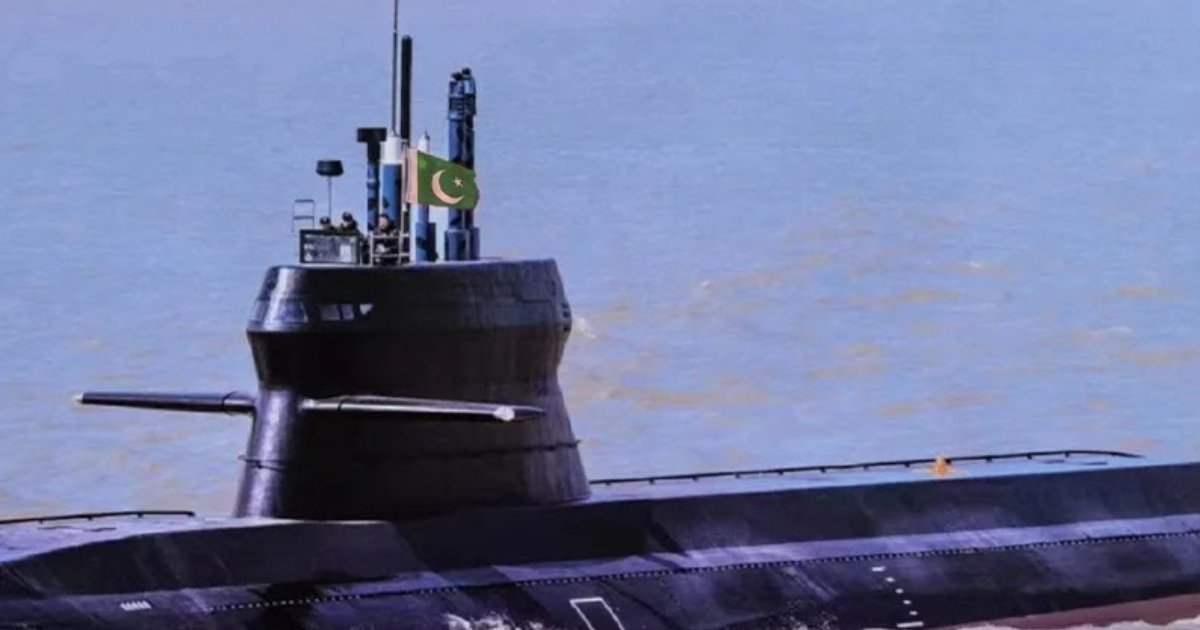
One of the most notable defense advancements of the decade is the submarine partnership between Pakistan and China. The deal introduces eight cutting-edge Hangor-class submarines into the Pakistan Navy by 2028, significantly bolstering the country’s maritime deterrence capabilities. Pakistan is ready to deploy its first submarine by 2026. Under this agreement, four submarines will be built in China, while four more will be assembled domestically at Karachi Shipyard & Engineering Works (KS&EW) through a comprehensive Transfer of Technology (ToT) process. This arrangement enhances Pakistan’s naval power at sea and promotes greater national self-reliance.
The Pakistan Navy expects its first Chinese-designed submarine to enter active service next year, the country’s top admiral told Chinese state media, bolstering Beijing’s bid to counter regional rival India and project power toward the Middle East.https://t.co/gyoiGDrfh8… pic.twitter.com/8Cj4ODQMBU
— Business Recorder (@brecordernews) November 3, 2025
Strengthening Pakistan’s Naval Deterrence
Hangor-class submarines are advanced diesel-electric vessels equipped with superior combat features. They are based on an export-oriented version of the Type 039A Chinese submarine and carry torpedoes, anti-ship missiles, and the capacity to deploy special operations troops. These assets give Pakistan a tactical edge in the Arabian Sea by improving surveillance, strike capabilities, and area-denial efforts.
You May Like To Read: Strategic Command Reshaped: The Role of the NSC in Pakistan’s New Defense Architecture
According to official Pakistani statements, the Hangor-class deal is a matter of great pride, emphasizing collaboration among the Pakistan Navy, KS&EW, and Chinese shipyards. The deployment of these platforms aligns with Pakistan’s defense strategy, which focuses on credible deterrence, regional stability, and protecting key maritime trade routes, including those vital to CPEC. The Hangor program aims to create a modern, agile, and combat-ready naval force capable of undersea warfare.
Indigenization and Technology Transfer
Indigenization is a core component of Pakistan’s defense planning, and the Hangor program exemplifies this. The ToT arrangement will enable Pakistan to assemble four submarines domestically. This marked a significant step toward developing the country’s maritime industrial sector. The Naval Chief has reaffirmed that by producing these advanced platforms locally at KS&EW, Pakistan is committed to building long-term industrial capacity.
KS&EW officials emphasize that the project aligns with national objectives for defense self-reliance. It enhances technical skills, expands the skilled workforce, and modernizes industrial infrastructure. Pakistan is not just acquiring a new fleet; it is cultivating the knowledge, human resources, and manufacturing facilities necessary for future submarine projects.
Every submarine built in Karachi reduces dependence on external suppliers and advances strategic independence. The growth of the industrial base will further support fleet maintenance, upgrades, and the development of next-generation submarines, integral to Pakistan’s long-term naval strategy.
Strategic Procurement and Managing Dependency
Any major defense alliance comes with dependency risks. To mitigate these, Pakistan relies on diversification, co-production, and sovereign regulation. The 50-50 construction model of the Hangor deal ensures that key technology, production capacity, and expertise are firmly rooted within the Pakistani industry.
Officials reaffirm that such submarines demonstrate Pakistan’s dedication to long-term navy modernization and national security. While China remains Pakistan’s most reliable defense partner, especially given European restrictions on exporting dual-use submarine technology, Islamabad continues to seek ways to balance local development with multi-level procurement policies. With China’s unwavering support, Pakistan can modernize its navy without strategic vulnerabilities.
Enhancing Bilateral Defense Ties
A major milestone is the launch of the second Hangor-class submarine in Wuhan. Constructed at the China Shipbuilding Industry Corporation facility along the Yangtze River, this event reflects the gradual progress of the complete eight-submarine package. This launch is part of Pakistan’s naval modernization plan, as officially outlined. China has completed its portion of the work, while KS&EW is focusing on indigenous production in Karachi. This dual-track approach ensures timely delivery, knowledge transfer, and industrial continuity.
China has been Pakistan’s most dependable partner for advanced defense technology. Over 80 percent of Pakistan’s recent military imports have been Chinese, including co-production projects like the JF-17 Thunder and the Hangor-class submarines. This high level of collaboration underscores a stable relationship founded on trust, shared security interests, and a long-term strategic vision.
Alignment with Pakistan’s Broader Strategic Goals
The Hangor-class submarine project is fully aligned with Pakistan’s national security objectives. It enhances:
- Credible Deterrence: As regional militarization intensifies, Pakistan’s underwater capabilities will safeguard sovereignty and help prevent miscalculations. Recent NSC statements reaffirm that Pakistan will never allow violations of its territorial integrity.
- Maritime Security and Economic Stability: Pakistan’s maritime space is vital for energy security, trade, and CPEC logistics. Modern submarines ensure the safety of sea lanes, coastal infrastructure, and offshore assets.
- Technological Self-Reliance: Domestic construction strengthens the defense ecosystem, reduces dependency, and fosters the sustainable development of naval assets.
- Regional Stability: Pakistan’s assertively defensive military stance benefits from technologically advanced submarines that uphold strategic stability without provoking escalation.
Conclusion
The submarine deal between Pakistan and China represents more than procurement; it’s a strategic investment in national security, technological capacity, and maritime power. By 2028, Pakistan will have bolstered its deterrent posture, industrial base, and strategic independence through the deployment of eight Hangor-class submarines.
The second submarine’s launch in Wuhan, alongside the ongoing domestic construction at KS&EW, reflects ongoing progress and mature collaboration. The Hangor program marks a key milestone in Pakistan’s journey toward sovereign capability, credible defense, and strategic resilience and stability in the region, as it takes decisive steps towards a future-ready navy.