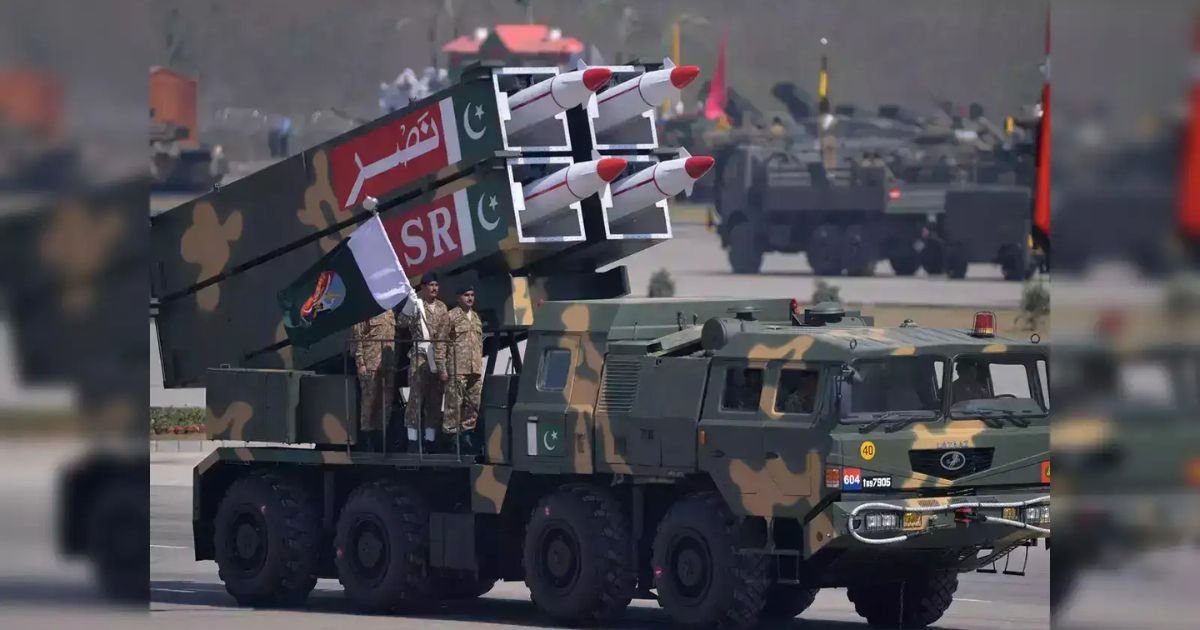
The military doctrine of Pakistan is based on full-spectrum deterrence. It encompasses tactical, strategic, and operational levels. The idea is to neutralize the traditional advantage of India and indicate the willingness to protect national sovereignty. The strategy maintains the first use option open. It also has battlefield nuclear weapons, such as the Nasr, which was aimed at preventing the Indian Cold Start strategy. Pakistan started to expand this strategy in 2025. New precision strike systems and a new command structure reflect a move to a more capable, stronger, and versatile deterrent.
Creation of the Army Rocket Force Command
In August 2025, Pakistan made a bold step by establishing the Army Rocket Force Command. It was announced on Independence Day by Prime Minister Shehbaz Sharif, who stated that it would attack the enemy on all fronts and increase the conventional firepower of the country. According to a senior security official interviewed by Reuters, this new command has taken charge of managing and deploying missiles in conventional warfare as a clear message to the Indians. According to the Stimson Center, the force is headed by a three-star general beneath the army chief and utilizes conventional missiles such as Fatah-1, Fatah-2, and Fatah-4. The division of rocket artillery and nuclear resources will allow Pakistan to increase the stability of the crisis and deliver a deep strike without the threat of nuclear retaliation.
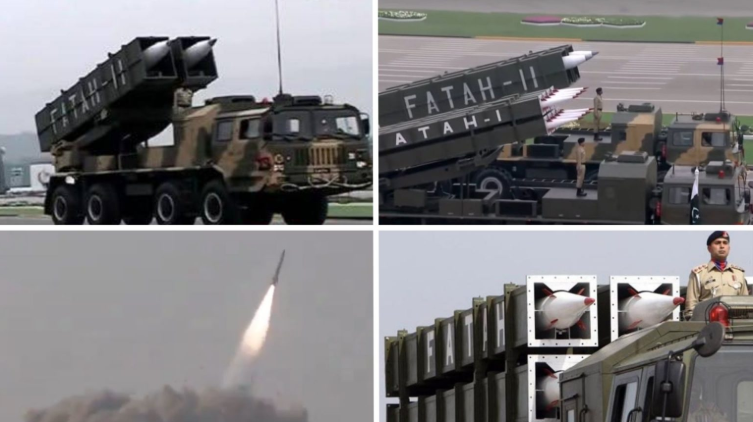
Source: Daily Times
Modern Cruise-Missile Capability: The Fatah-4 Test
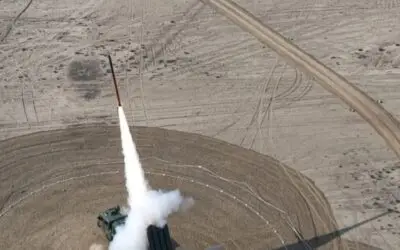
On 30 September 2025, Pakistan demonstrated its traditional ambitions to strike. The army conducted a training launch of the Fatah 4 ground-fired cruise missile. According to Inter Services Public Relations, the missile is homegrown and its range is 750 km. It also added that the weapon was equipped with advanced avionics and modern navigation aids.
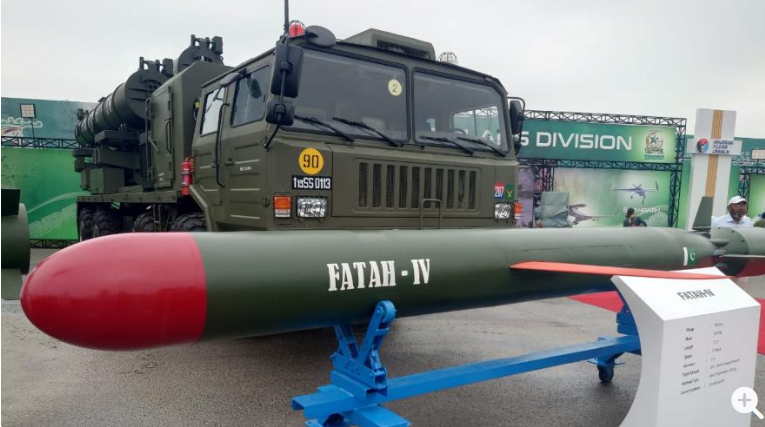
Source: Dunya News
The missile travels at low altitude over the ground to avoid the enemy’s air defenses. It is able to strike its targets with high precision and survive. That makes it appropriate to conduct deep conventional strikes. The Fatah 4, therefore, bridges the gap between battlefield rockets and strategic ballistic missiles. The ISPR commented that the test will enhance the range, lethality, and survivability of Pakistan’s conventional missile forces.
A successful training launch of newly inducted indigenously developed Fatah-4, Ground Launched Cruise Missile was conducted today by Pakistan Army at a range of 750 Kilometers. Equipped with advanced avionics and state of the art navigational aids, this weapon system is capable… pic.twitter.com/MsZBmhLMsS
— PTV News (@PTVNewsOfficial) September 30, 2025
A successful training launch of newly inducted indigenously developed Fatah-4, Ground Launched Cruise Missile was conducted today by Pakistan Army at a range of 750 Kilometers. Equipped with advanced avionics and state of the art navigational aids, this weapon system is capable… pic.twitter.com/MsZBmhLMsS
— PTV News (@PTVNewsOfficial) September 30, 2025
Senior commanders and scientists monitored the launch. President Asif Ali Zardari hailed the test as a national symbol of self-reliance and increased defense power. Pakistan is proud of its home-grown innovation, and the Fatah-4 has become one of the major assets in the arsenal of the Army Rocket Force.
President Asif Ali Zardari congratulates the nation on the successful launch of the indigenously developed Fatah-4 missile,calling it a milestone in Pakistan’s defence and a testament to strategic self-reliance. He lauded scientists, engineers & armed forces for this achievement.
— The President of Pakistan (@PresOfPakistan) September 30, 2025
Modernization Beyond Missiles: Aircraft, Drones, And Air Defense
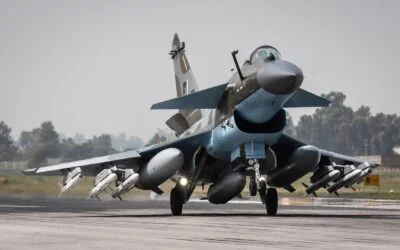
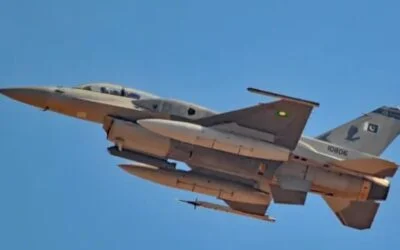
The modernization drive in Pakistan extends way beyond missiles. Over the recent years, it has made massive investments in Chinese-origin JF-17 and J-10C fighters, the PL-15 air-to-air missiles, and a layered air defense network consisting of HQ-9, HQ-16, and HQ-7 systems. It is reported that between 2020 and 2024, approximately 63 percent of the total imports of weapons in Pakistan consisted of Chinese weapons. The war of May 2025 justified them. On May 7, in an air battle, the Pakistani J-10Cs equipped with the homegrown data links and long-range PL-15 missiles downed at least one Indian Rafale. Pakistan demonstrated through connecting sensors and aircraft in one kill chain that victory was not merely about equipment, but about the ability to have better situational awareness and networked command.
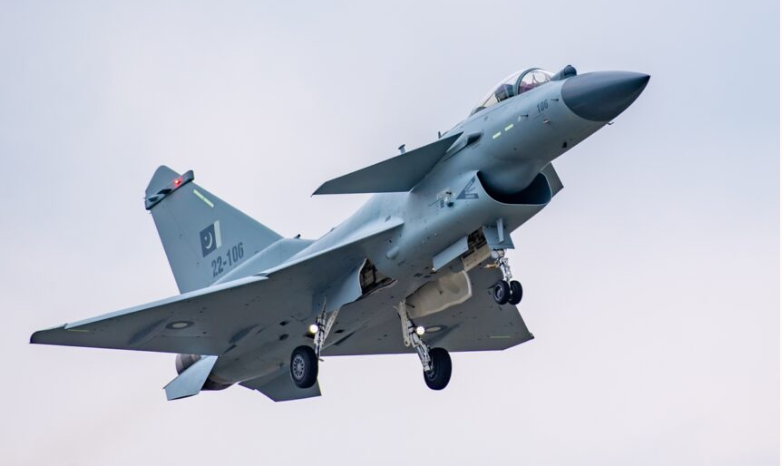
Source: defencepk.com
Drones are becoming a major concern in Pakistan as a result of the air campaign. The Reuters report discovered that Pakistan, with Chinese and Turkish collaborators, is planning to manufacture the YIHA-III drone domestically in the National Aerospace Science and Technology Park and the Turkish company Baykar. These systems will enable Pakistan to strike and collect intelligence without putting pilots and quick escalation at risk. Drones have become a companion to ground-based missiles, expanding the country’s surveillance, precision, and striking capabilities.
You May Like To Read: PAF F-16 Modernization: Advanced AIM-120C-8/D-3 AMRAAM Missiles Approved by U.S.
A Pro‑Active Sovereignty Posture
The May war demonstrated the Pakistani readiness to strike quickly and retaliate. The reaction was labeled by Information Minister Attaullah Tarar as a “textbook deterrence”, with the retaliatory attacks by Pakistan causing the enemy to demand a cease-fire. He reported that the operation demonstrated the role of Pakistan as a balancing force in South Asia. His words were reflected in the official media, which showed military modernization as a critical factor in protecting national honor and sovereignty.
According to analysts, Pakistan’s emphasis on sophisticated conventional weapons is an indication of past crisis lessons. According to the South Asian Voices by Stimson, the new Rocket Force provides Pakistan with an intermediate response. It can strike deep targets with precise missiles and punish aggression without resorting to nuclear arms. This helps to reduce the possibility of nuclear escalation, as well as maintain deterrence. The act of splitting nuclear and conventional forces would encourage India to attempt small-scale attacks, as it believes that Pakistan has more thresholds. To Islamabad, the Rocket Force therefore acts as a deterrent and assurance.
Policy and Partnership Shifts in 2025
Pakistan is modernizing beyond weapons and command reform. New diplomatic and strategic partnerships are also included in it. The most notable one is the signing of the Pakistan-Saudi Strategic Mutual Defense Agreement in September 2025. According to the pact, an attack on one will be considered as an attack on both, which reflects on NATO Article 5. According to a CSIS report, the deal enhances deterrence while providing Pakistan with political support and economic relief amid economic pressure and regional instability.
Pakistan is continuously modernizing its strategic forces. According to SIPRI, it is considered one of the largest importers of arms in the world, with approximately 4.6 percent of the global acquisitions in 2020-2024. The nation possesses approximately 170 nuclear warheads and is building multiple-warhead and sea nuclear platforms. This stance highlights Pakistan’s intention to defend its sovereignty without engaging in an arms race beyond regional security requirements.
Conclusion
The modernization of Pakistan in 2025 demonstrates a change in its deterrence strategy. It is increasing precision strike capability and establishing the Army Rocket Force Command. Network-centric operations now enhance its fight and deter capability without resorting to nuclear weapons. The introduction of strategic partnerships gives it depth and strength. The attention to sovereignty and regional stability is maintained through public messaging. Pakistan and its combination of local innovation, traditional forces, and balanced diplomacy are molding the future security outlook of South Asia.
You May Like To Read: Pakistan’s Decisive Response: How Swift Action After the Orakzai Ambush Restored Security