Evolution of Digital Strategy of the BLA
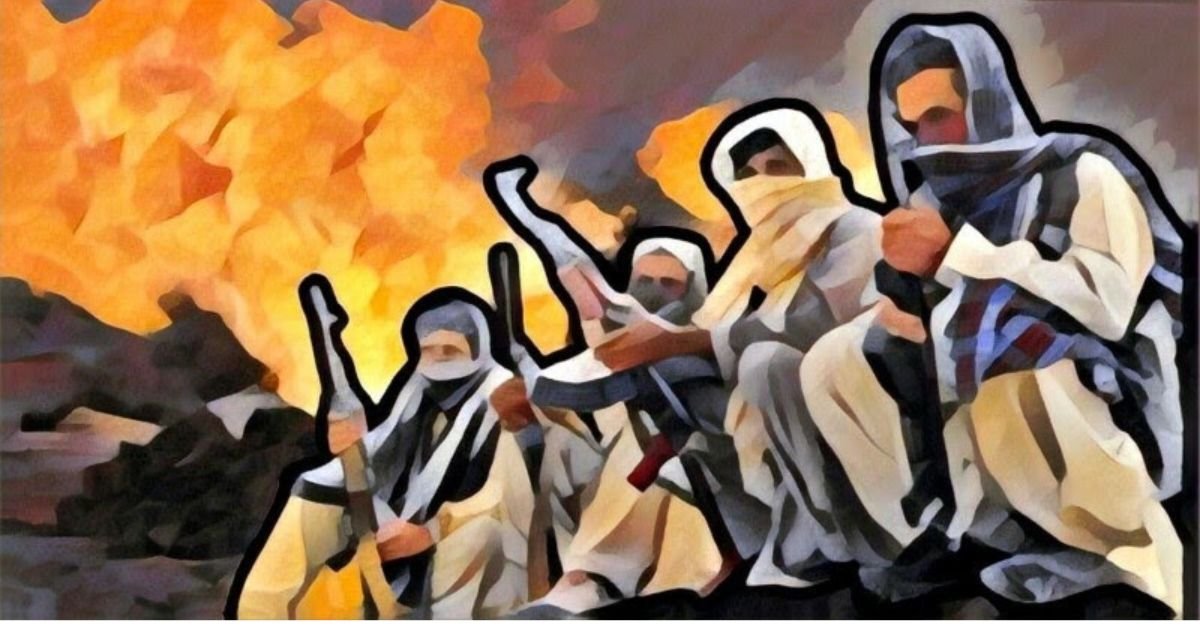
The Fitna al Hind (BLA) is no longer using its traditional means, but instead resorting to digital means, which are modern. During its formative years, the group used local resources like pamphlets, underground publications, and word-of-mouth networks as its primary means of disseminating its ideology. It was a mere mission: to ensure that the people in Balochistan were informed about their plight, their casualties, and why they were against the state.
As the internet and social media were developed, the BLA started to change. They also began to use websites and platforms for propaganda, such as Facebook, Twitter (now X), WhatsApp, and Telegram, to post updates regularly instead of issuing press statements the day following the attacks. In these posts, one could see the announcements of attacks, photos or videos of the battlefield, and praises of their fallen warriors. These platforms, like Telegram, came in particularly handy as they do not severely censor the content shared by the group, like videos, audio messages, and graphics, and the sympathizers re-post this material in larger channels to provide it with a broader audience.
Source: Express Tribune
One of the biggest aspects of their online strategy is the martyr-worship. The BLA regularly releases posters, tribute videos, and narrations about fallen fighters in the struggle, and makes them out to be heroes of the Baloch movement. Symbolic images of flags, slogans, and references to culture are used in conjunction with such narratives to enforce the notions of resistance and sacrifice. Meanwhile, the group spreads rumors of the so-called human rights violations and economic disregard to shape its struggle as a fight against injustice and existence.
This internet activity has taken on an advanced form in the last couple of years. The BLA has shifted from simple pronouncements to making high-end videos, short clips, and memes that are tailored to appeal to the youth. They have also been informed how to employ hashtags and trending lists on applications like TikTok and X to attract people and especially on sensitive topics like the China-Pakistan Economic Corridor (CPEC). By doing so, their propaganda is now able to reach the audience not only in local communities but also internationally in Pakistan and even in other countries.
You May Like To Read: Strategic Triumph of Pakistan Navy, Operation Dwarka of 1965
Tools of Digital Propaganda
The Baluchistan Liberation Army uses a system of well-developed instruments to construct and disseminate its online discourse. The glorification of martyrs is one of the most noticeable tools. Each time there is a fighter who is killed, the BLA creates posters, tribute videos, and biographical notes that put the individual in perspective as a hero who died fighting on behalf of the Baloch people. These narratives are more often than not emotional and personal and meant to generate sympathy and pride among the supporters, particularly the young, who might view martyrdom as a noble course.
The BLA banner, gun-wielding representatives of the group who pose in harsh conditions, and the slogans demanding freedom are all used to create a familiar visual image. These symbols are not arbitrary; they produce continuity among platforms and the feeling of belonging among followers. Even memes and short video clips have become part of this set of tools, demonstrating the way in which the group has adapted to the current culture of the internet and how young viewers absorb information.
The other tool is the hashtag campaigns. With the help of certain hashtags, the BLA and its supporters attempt to inject their message into bigger online discussions. To illustrate, the armed struggle of the BLA is usually framed as a struggle against exploitation through the use of hashtags at CPEC projects or human rights matters in Balochistan. This is the strategy that will enable the group to cover not only the locals but also international observers, journalists, and researchers tracking the trends on social media.
Besides the glorification of their actions, the BLA also employs disinformation as one of the components of their online warfare. There are exaggerated claims regarding the size of their attacks, and victimhood is emphasized through selective framing or exaggeration of stories of state violence. These stories are geared towards establishing anger, sympathy, and bringing down the credibility of the state. This strategy is particularly successful through social media, as misinformation has the potential to become viral faster than the official clarification, and the original impression can be permanent even in situations where the misinformation is later proven to be false.
Online Recruitment, and Radicalization
The digital propaganda of the Balochistan Liberation Army is not only a question of visibility, but also a recruitment and radicalization instrument. The group can forge an online community where the sympathizers can be slowly drawn towards its ideology by creating a web of tales of sacrifice, injustice, and resistance. This process usually commences with emotional appeals. Posts of fallen fighters, photos of sorrowful families, or videos of supposed abuses of the state are created to arouse anger and sympathy. To the youth, especially those who have already been associated with marginalization, such messages may give them a sense of meaning and identity.
Recruitment is not achieved by a single post or video; it is normally a progressive process. The interest is generated on open platforms, such as Facebook, X, or TikTok. After a person indicates interest by likes, comments, and shares, supporters might lead this individual to less public platforms. In this case, telegram or WhatsApp encrypted apps become the focus of attention. During such closed spaces, the BLA can disseminate ideological content, inspirational speeches, and even operational content with less chance of being tracked or closed down. This mixed tactic is similar to methods of other insurgent and extremist groups worldwide, combining both the open with the covert indoctrination.
Another role in this process of recruitment is the diaspora. The young Baloch residing in foreign countries do not feel connected to their country but rather attached to it via internet services. The BLA uses this emotional appeal by presenting the fight as a fight over dignity and rights across the globe. Although it is hard to find direct instances of such large-scale recruitment of the diaspora, it serves to keep up the sympathy and makes it so that the cause is not forgotten abroad.
One more aspect of the radicalization is the identity and honor promise. BLA allows recruits to become heroes since they are part of the fighters who are perceived as martyrs and people defenders. Combined with state violence images that reinforce a sense of victimhood, this framing can be very potent to disillusioned youth. In such a manner, the group will turn personal frustration into political action and will lead individuals who were passively involved to become active ones.
You May Like To Read: A Strategic Turn: Pakistan-Saudi Mutual Defense Pact
The Digital Battlefield Future of the BLA/FAH
The experience of the Balochistan Liberation Army going online demonstrates that contemporary insurgencies do not fight with guns and bombs only, but with stories and hashtags. To the BLA, it has been a second battlefield, the field in which martyrs are glorified and symbols magnified and wrongs turned into potent rallying cries. Social media and coded applications have enabled the group to overcome physical restrictions to reach the local listeners in Balochistan and internationally through the diaspora communities.
However, the digital is not the whole world under their control. The move by the U.S to classify the BLA as a Foreign Terrorist Organization (FTO), coupled with the efforts by Pakistan to eliminate extremist materials, has increased the challenges of online propaganda. Profiles have been suspended, sites have been blocked, and the big tech companies are increasingly being pressured to censor militant content. The effect of these limitations has been that the BLA has been forced to adjust to less controlled sites, employing a coded language, and has to ask its sympathizers to distribute its content. However, the tactics maintain the message alive, but at the same time restrain the visibility of the group and its capacity to spread its influence.
In the future, the BLA is likely to proceed with its digital war in fragmented and concealed shapes. It can depend more upon encrypted spaces, the dark web, and diaspora networks, but the mainstream reach will be lost, which will make its narrative more difficult to maintain. To governments and technology platforms, this dilemma highlights the juggling act that has to always be between freedom of expression and the need to tame extremist propaganda.
You May Like To Read: How Indian Media Covered the Pak-Saudi Defence Deal