
Pakistan stands at a critical juncture in its efforts to combat domestic terrorism and modernize its military. The security environment is complex. Terrorism remains an asymmetric threat, while regional militarization demands a credible and advanced conventional force. According to official policy documents, NSC directives, ISPR briefings, and recent budget trends, Pakistan appears to be pursuing a carefully balanced, two-pronged approach. The country is engaged in continuous counterterrorism operations, i.e., Operation Sarbakaf, while simultaneously investing in submarines, advanced aircraft, drones, radars, and a reorganized Strategic Command structure. Both efforts are seen as vital to defending national sovereignty.
Relentless Counterterrorism Operations
Pakistani security forces operate daily to eliminate terrorist threats. ISPR reports highlight frequent clashes in Khyber Pakhtunkhwa, Balochistan, and border districts, where militants attempt infiltration and sabotage. All these operations are Intelligence-based Operations (IBOs). Pakistan does not distinguish between different groups or factions, nor labels any as “good” or “bad” militants. All violent actors are considered threats to national security. Effective IBOs have resulted in the killing of facilitators, the destruction of hideouts, and the disruption of plans to attack sensitive targets. These efforts also halt cross-border terrorist movement and break funding networks.
🚨#ISPR 22 Terrorists Eliminated
Rawalpindi, 25 November, 2025On 24 November 2025, security forces conducted an intelligence based operation in #Bannu District, #Pakistan, on reported presence of Khwarij belonging to #India Proxy, Fitna al Khwarij.
During the conduct of… pic.twitter.com/ybQUEqAkJ4
— Pakistan Armed Forces News 🇵🇰 (@PakistanFauj) November 25, 2025
The sacrifices of soldiers and law enforcement units are emphasized by the state as evidence of its commitment. Beyond kinetic operations, the government emphasizes that internal security supports economic stability, attracts foreign investment, and enhances regional connectivity. In Pakistan, counterterrorism is not just a campaign but the foundation of national survival.
You May Like To Read: Submarine Deal with China: Strengthening Deterrence and Ensuring Self-Reliance
Modernization Amid Conflict: A Conscious Strategic Choice
Pakistan is upgrading its conventional forces alongside internal security operations. This modernization is a strategic necessity, driven by regional dynamics, evolving warfare, and emerging technologies. Official statements confirm that modernization follows a long-term plan to sustain deterrence, protect maritime routes, and secure land and air borders.
A key pillar of this modernization is the introduction of eight Hangor-class submarines, built through a collaboration between China and Pakistan at Karachi Shipyard and Engineering Works (KS&EW). Four were built in China and four in Pakistan under a comprehensive Transfer of Technology agreement. These submarines will significantly enhance Pakistan’s undersea warfare capabilities with modern stealth features, air-independent propulsion, and advanced weapons systems. Navy leaders view this project as a matter of national development and technological confidence. It broadens maritime deterrence in the Arabian Sea and strengthens Pakistan’s ability to secure vital sea lanes, including those critical to CPEC.
The Pakistan Navy expects its first Chinese-designed submarine to enter active service next year, the country’s top admiral told Chinese state media, bolstering Beijing’s bid to counter regional rival India and project power toward the Middle East.https://t.co/gyoiGDrfh8… pic.twitter.com/8Cj4ODQMBU
— Business Recorder (@brecordernews) November 3, 2025
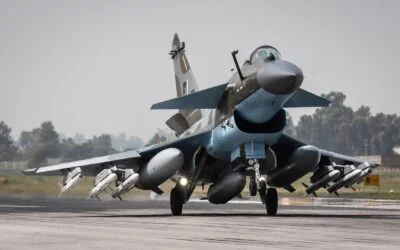
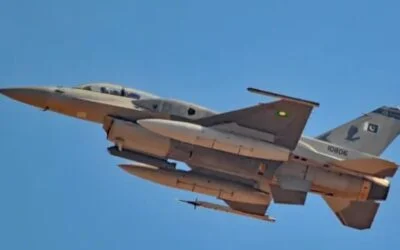
The Pakistani Air Force is still modernizing with the introduction of the JF-17 Block III, improved radars, and better munitions. The emphasis on self-reliance continues through joint production at Pakistan Aeronautical Complex.
#BREAKING Another JF-17 MoU signed at the Dubai Airshow – Pakistan’s fighter jet keeps turning heads and landing deals. 🇵🇰 pic.twitter.com/7KX0NvpndL
— Mansoor Ahmed Qureshi (@MansurQr) November 20, 2025
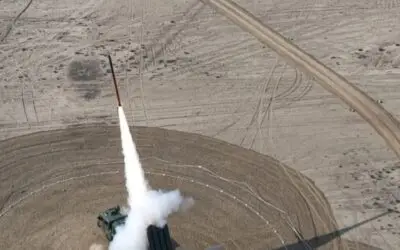
On land, the Army is expanding its drone fleet, missile modernization, upgrading armor platforms, and implementing advanced night-fighting and surveillance systems. Modernization and digitization initiatives are also underway for infantry units to counter hybrid and high-intensity warfare.
Reorganized Strategic Command
Pakistan has recently restructured its Strategic Command and main operational headquarters. These reforms aim to streamline command and control, improve rapid response capabilities, and enhance oversight of key assets. Official briefings describe these changes as future-oriented restructuring designed to make the armed forces more agile, coordinated, and capable of integrating conventional and strategic capabilities. This aligns with the doctrine of credible minimum deterrence, ensuring Pakistan’s strategic stability even in the face of economic strain.
Resource Allocation, Growing Budget, and Long-Term Planning
Pakistan’s recent defense budget reflects the multifaceted security landscape. According to the Finance Division, the current fiscal year has seen significant increases in defense spending. The rise is driven by three main needs:
- Maintaining sustained counterterrorism operations requires manpower, logistics, intelligence, and mobility.
- Modernizing capital assets such as submarines, fighters, drones, air defense systems, and strategic command infrastructure.
- Supporting personnel benefits, pensions, and well-being to sustain the force.
Pakistan emphasizes that defense spending is about national survival, not arms competition, despite financial challenges. Much of the budget is allocated to operational and personnel costs, addressing immediate internal security needs, while capital investments aim for long-term modernization. Leaders stress transparency and alignment of spending with national security objectives. Pakistan considers its defense budget a balanced approach: defending the nation today and preparing for tomorrow.
Combined Strategic Outlook
Pakistan views its security as a layered system. External deterrence relies on internal stability, while strong conventional forces support diplomatic efforts. The NSC has repeatedly expressed a preference for peace, i.e., dignity and the preservation of sovereignty.
Military exercises, joint service drills, field tests, and readiness exercises send a clear message: Pakistan remains alert, prepared, and willing to deter aggression. Strategic commanders prioritize service synergy and doctrinal compliance. Planned long-range strike, maritime patrol, and combined air-land exercises continue to improve joint operational readiness. The overarching message remains: military modernization and counterterrorism efforts are complementary, not conflicting priorities.
Conclusion
The geography, threat environment, and national aspirations influence Pakistan’s defense strategy. The nation is pursuing a moderate, planned course. Combating terrorist activities is a continuous process of ensuring internal security. Modernization programs provide the armed forces with new technologies, improved structures, and advanced platforms. Long-term preparedness is provided through budgetary planning and structural reforms, such as the reorganization of the Strategic Command.
This dual-track policy reflects Pakistan’s desire to safeguard its citizens, defend its borders, and maintain effective deterrence. With the area having become volatile and heavily militarized, Pakistani policy aims to ensure stability at home and withstand external threats, with national sovereignty as the foremost priority.