Introduction
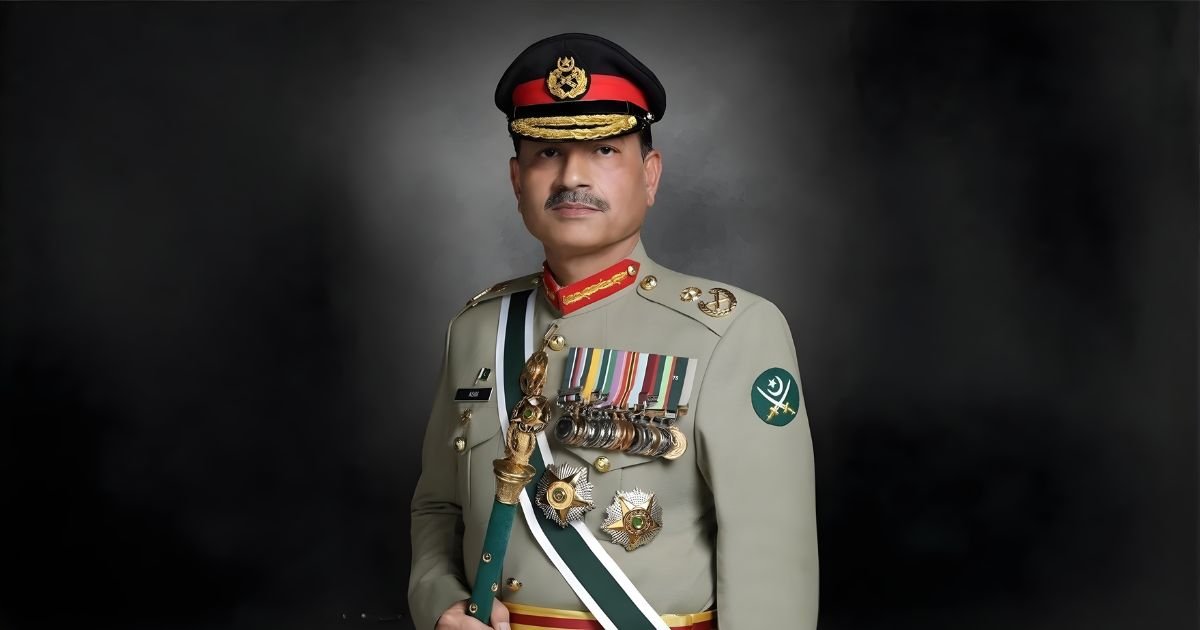
The federal cabinet of Pakistan unanimously promoted General Syed Asim Munir on 20 May 2025. Promotion was granted to him to the newly reinstated rank of Field Marshal. The cabinet also stated that it was the exemplary courage and resolve of Munir during the April-May 2025 stand-off with India (Operation Bunyan-um-Marsoos) that prevented the nation from a major war. On behalf of the armed forces and the country, Munir received the honor. He is the second officer ever to be awarded this five-star rank in Pakistan’s history, the first being General Ayub Khan in 1959. Unlike Ayub Khan, Munir remains the Chief of Army Staff.
On behalf of the entire nation, I extend my heartfelt felicitations to General Syed Asim Munir, NI (M) on his well-deserved promotion to the rank of Field Marshal. His exemplary leadership during Operation Bunyan-um-Marsoos crushed enemy’s nefarious designs and brought great…
— Shehbaz Sharif (@CMShehbaz) May 20, 2025
Historical background of the rank
Origins and rarity
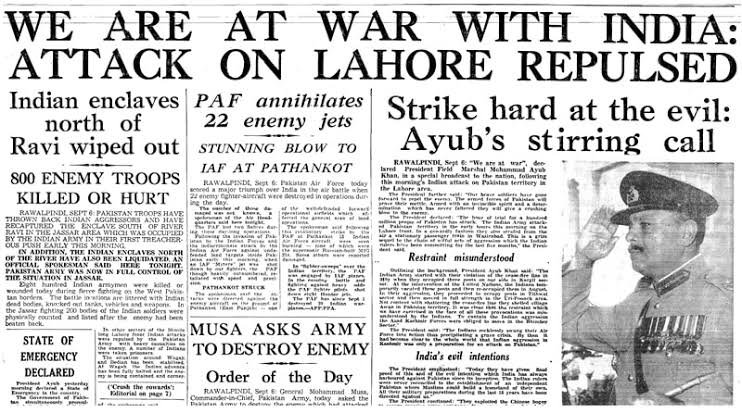
Field Marshal was a title inherited by the British military tradition. It refers to a five-star officer who has a special baton and is superior to all other generals. The rank has been granted just once in the history of Pakistan: in 1959, President Ayub Khan elevated himself to field marshal. In a press communique issued by the government, the elevation was supposed to indicate the high regard his people have for him and to remember his participation in the 1958 peaceful revolution that propelled him to power. Ayub was made a life rank, although he had not held an active military appointment. The adoption of the rank by Pakistan is similar to some other Commonwealth nations; India, with two field marshals, Sam Manekshaw (1973) and K.M. Cariappa (1986), has outstanding service during the war. In other countries, five-star ranks are considered rather ceremonial in modern armies.
COAS Munir’s Elevation
The appointment of COAS Asim Munir is the first instance of the title being granted by a civilian government. The decision came after the four-day standoff between India and Pakistan. Pakistan had shot down six Indian fighter jets and targeted military installations. Munir’s firm leadership and the indigenous nature of Pakistan’s response were repeatedly highlighted by government and military spokespeople.
From General to Field Marshal
⭐️⭐️⭐️⭐️⭐️On 20th May 2025, Field Marshal Syed Asim Munir, NI (M), Chief of Army Staff (COAS) was elevated to the rank of Field Marshal. #ISPR#COAS dedicated this honour to the entire nation, Armed Forces of #Pakistan, and in particular, to the… pic.twitter.com/oh5pALrUeM
— Pakistan Armed Forces News 🇵🇰 (@PakistanFauj) July 1, 2025
The Rise and Role of Field Marshal Asim Munir
Field Marshal Asim Munir was born in Rawalpindi to a family of schoolteachers. He entered the 23rd Frontier Force Regiment in 1986 at the Mangla Officers Training School and was awarded the Sword of Honour. Field Marshal Munir has had a unique career since he commanded the Military Intelligence and Inter-Services Intelligence before assuming the post of the army chief in 2022. Before his appointment, he had commanded units in the north, led the XXX Corps in Gujranwala, and was the quartermaster general.
In April 2025, militants attacked tourists in Indian Occupied Jammu and Kashmir. In response, India launched airstrikes and missile attacks. Operation Bunyan-um-Marsoos was carried out under Field Marshal Munir’s command and involved air forces, missile units, and special forces. Pakistan claimed to have shot down six Indian jets and destroyed missile launchers. The government called it a historic victory and declared May 21 as the Marka-e-Haq (Day of the Battle for Truth). Munir credited the success to faith, discipline, and professionalism, without mentioning foreign help.
Field Marshal Munir pushed modernization efforts, overseeing the induction of Chinese Z-10ME helicopters and establishing the Army Rocket Forces Command after India used BrahMos missiles. Experts believe the new command will improve control and deterrence. Field Marshal Munir also strengthened defense ties with China and supported economic recovery through the Special Investment Facilitation Council. He believes that national security is linked to economic security, both of which will benefit from the army.

Chinese Z-10ME
Source: International Defense Analysis
Beyond the military, Field Marshal Munir co-chairs the Special Investment Facilitation Council (SIFC). In a statement on the SIFC’s website, he notes that Pakistan is blessed with resources and resilient people and that the council aims to transform the economy from debt-driven to investment-driven. He emphasizes a whole-of-government approach and asserts that the army has always served the people and does not shy away from helping revive the economy. The SIFC seeks to attract investment from friendly countries in agriculture, mining, IT, and energy, aligning economic development with national security.
You May Like To Read: Pakistan’s Decisive Response: How Swift Action After the Orakzai Ambush Restored Security
The Vision of Field Marshal Munir: Modernization and Stability
The promotion of Field Marshal Asim Munir has boosted the morale and chain of command of the army. His ascent is an indicator of professionalism and cohesiveness. In the May conflict, he led a coordinated response that demonstrated speed and cross-service coordination. He enhanced the message by sharing and acknowledging sacrifices when he devoted his honor to the nation. These types of gestures boost the morale of the soldiers and make younger officers remain professional.
Field Marshal Munir has also updated doctrine and deterrence. The establishment of the Army Rocket Forces Command and the introduction of new attack helicopters offer Pakistan more opportunities in conventional war. This is enabling a better reaction to the Indian attacks without the use of nuclear arms. His focus on indigenous development and the accuracy of warfare lends some credence and reduces the need to rely on external forces. The measures increase the conventional deterrence of Pakistan without compromising stability.
His role also touches civil-military balance and politics. Compared to the field marshal in the past, COAS Munir remains under an elected government and supports economic recovery under the SIFC. Leaders in various parties support this council and aim to invest in key areas. There is a lot of symbolism to his appointment in difficult economic times, with leaders applauding his boldness and individuals celebrating the May triumph. His status and behavior abroad give messages of power and preparedness. He has reassured both China and the U.S. of Pakistan’s commitment to stability and is also warning India not to engage in a misadventure. These moves combined demonstrate a modern, professional, and nationally-oriented military.

Source: WNP
Conclusion
The promotion of General Syed Asim Munir to Field Marshal is a historical milestone in the military history of Pakistan. It celebrates his years of service, including his Sword of Honor victory as a cadet and his successful command of the defense at Operation Bunyan-um-Marsoos. The status enhances institutional supremacy and morale, and allows him to continue with a highly ambitious modernization program, which includes a rocket force and state-of-the-art aviation equipment. Field Marshal Munir’s parallel position in the Special Investment Facilitation Council signals a larger change in the realm of national security and economic development integration. Although some critics fear the possible overreach, the mood in Pakistan is one of national pride: the elevation is viewed as a symbol of unity, strategic maturity, and as a warning to enemies. By maintaining strong military readiness and collaborating with civilian authorities and other strategic partners, Field Marshal Munir positions Pakistan to become more institutionally resilient and respected internationally in the coming years.
You May Like To Read: Breaking Barriers: Women’s Expanding Role in Pakistan’s Army